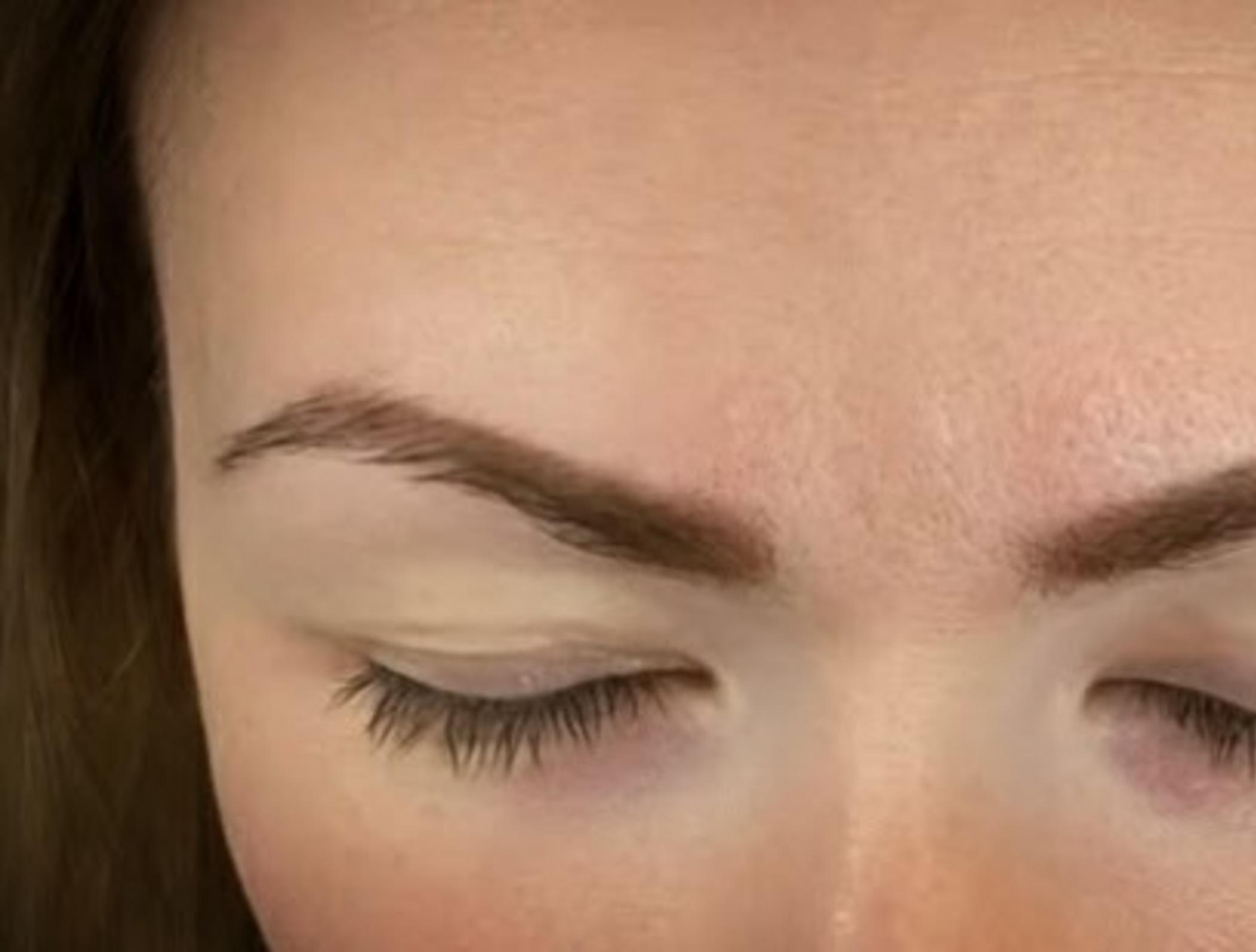
If you’re comparing microblading vs nano brows vs powder brows for oily skin, here’s the lowdown: for most people with oily skin living in Australia, powder brows tend to come out looking smoother and stay in place better than microblading, while nano brows can be a pretty good option if you still want that hair-stroke look & still can’t abide microblading. I’m Olha Po, and after years of giving brows a go at Cosmetic Tattoo Studio Melbourne Face Figurati, I can tell you that skin type is a total game-changer.
Oily skin‘s the culprit – it produces more sebum, and that extra oil can push pigment out during the healing process or blur out fine lines till they’re all fuzzy. That’s why the best brows for oily skin aren’t always the coolest-looking ones on Instagram – in real life, after a week of Melbourne summer heat, gym sessions, sunscreen & just day-to-day wear, its the technique that counts, not the hype.
Why It’s All About Your Skin Type
When I see clients come in asking for a particular brow look, I usually end up changing the script after I take a closer look at their skin. Your skin is like a canvas, and oily skin is a totally different ball game from dry or normal skin.
In Australia, the climate is a big player too – a hot week, regular beach time, activewear, sunscreen and all that humidity can really affect how well the pigment holds. What usually catches people off guard is that the exact same permanent eyebrow tattoo can come out looking perfect on one person but all blurry on another – all because of sebum and pore size.
Why Oily Skin is a Special Case
With oily skin, the surface is almost always on the go, pores are more visible, and the pigment can spread out a lot more during the healing process – which means its way more likely to smudge or blur, especially with super fine lines. Thats why microblading on oily skin is often the least reliable.
How Each Brow Method Really Performs
Let’s cut to the chase here. The three methods all look great when done well, but they just don’t hold up the same on oily skin. So if you only get one session and are looking for perfect long-term definition, this is where you need to pay attention.
Microblading Gets the Fine Lines Right
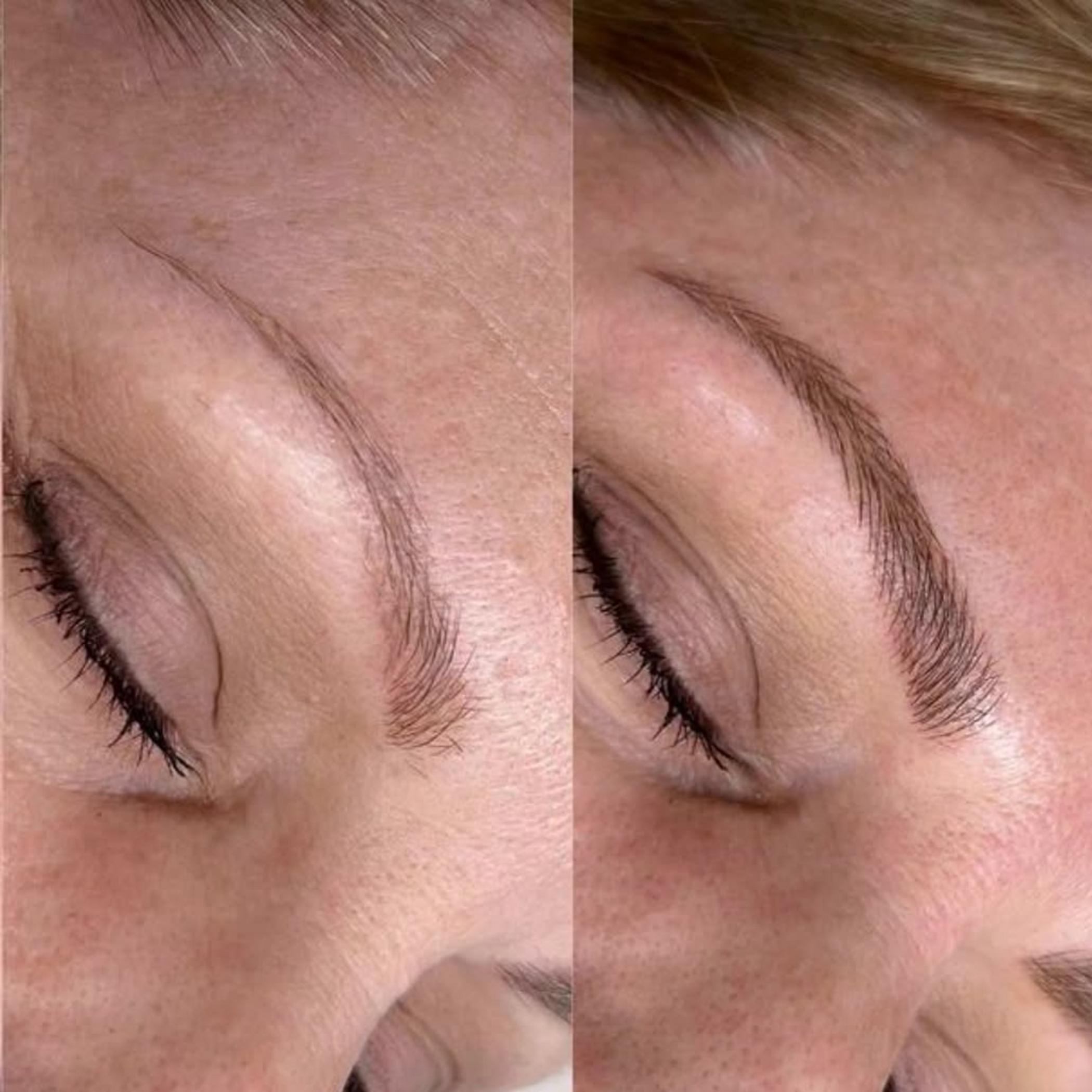
Microblading works by using a hand blade to make tiny hair-like cuts in the skin, with the pigment sitting right in those strokes. At first, it can look pretty natural, but on oily skin, those crisp little lines tend to lose definition pretty fast. I’ve seen clients come in after microblading elsewhere, and the lines have healed patchy or just turned into a faint grey shadow.
For me, microblading isn’t usually the first choice for oily skin. It might work for someone with only slightly oily skin, small pores, and pretty realistic expectations about how much upkeep it’s gonna need. Session time usually clocks in around 2 to 2.5 hours, and you’ll probably need a touch-up in 6 to 10 weeks.
Nano Brows Get the Soft Precision Just Right
Nano brows vs microblading is a common question, and the main difference is the tool – it’s a machine rather than a manual blade, making this softer, more controlled hair stroke with less trauma. Experienced artists can get really good results with this method.
For some clients with oily skin, nano brows can actually hold up a bit better than microblading. But they’re not some kind of magic – if your skin is just super oily, those strokes will still start to soften over time. I tend to recommend nano when the priority is getting a natural brow pattern, and I’m always honest with clients about whether I think shading will be a better option in the long run.
Powder Brows Last the Distance
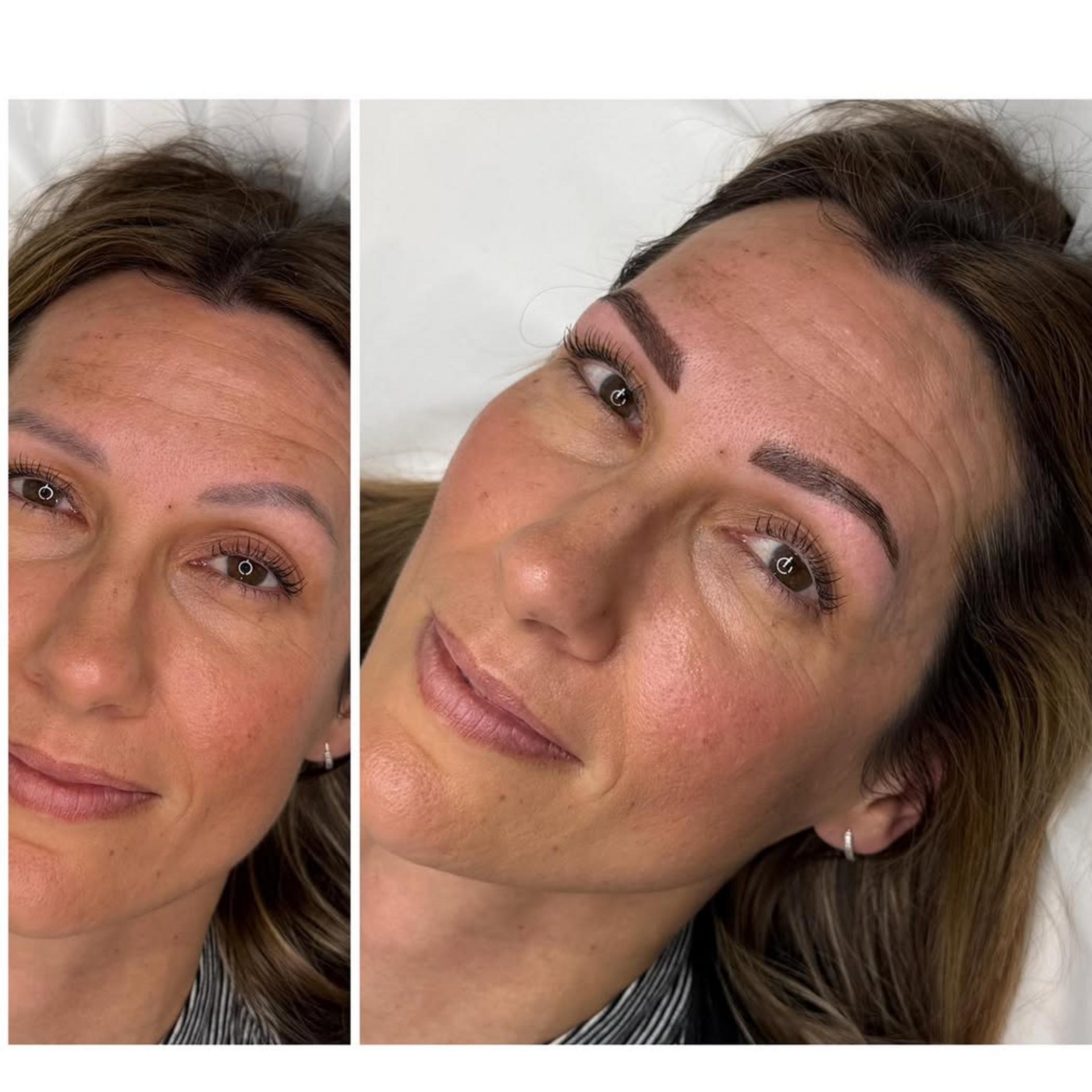
Powder brows on oily skin are often the way to go because they use a shading technique rather than individual tiny cuts or super-fine hair strokes. Think of it as soft, pixelated shading from light at the front to a bit deeper in the tail. That’s what it feels like when you get it done right – not some one-dimensional block.
For oily skin, powder brows give you the longevity and even fading you’re after. The healed look isn’t all flat and blocky – as I said, it’s best when you get the shape and density right for you, not just what looked good on someone else’s Instagram.
What the Comparison Really Looks Like
You don’t need to know any fancy beauty terminology. What you need is a clear heads-up on what to expect. Here’s the straight-up comparison I give clients when they want some real talk, not sales fluff.
| Method | Best For | Oily Skin Performance | Typical Longevity | Typical Melbourne Cost |
| Microblading | Dry to normal skin, natural stroke look | Lower pigment retention, higher blurring risk | About 6-12 months | AUD 400-700 |
| Nano Brows | Clients wanting machine hair strokes | Moderate retention, depends on oil level | About 12-24 months | AUD 600-900 |
| Powder Brows | Oily, mature, textured, or active skin types | Usually, the strongest retention and cleaner fade | About 18-30 months | AUD 600-950 |
| Hybrid Brows | Natural front with soft definition | Better than strokes alone for oily skin | About 12-24 months | AUD 650-1,000 |
Service Ranges in Australia – Be Wary of Red Flags
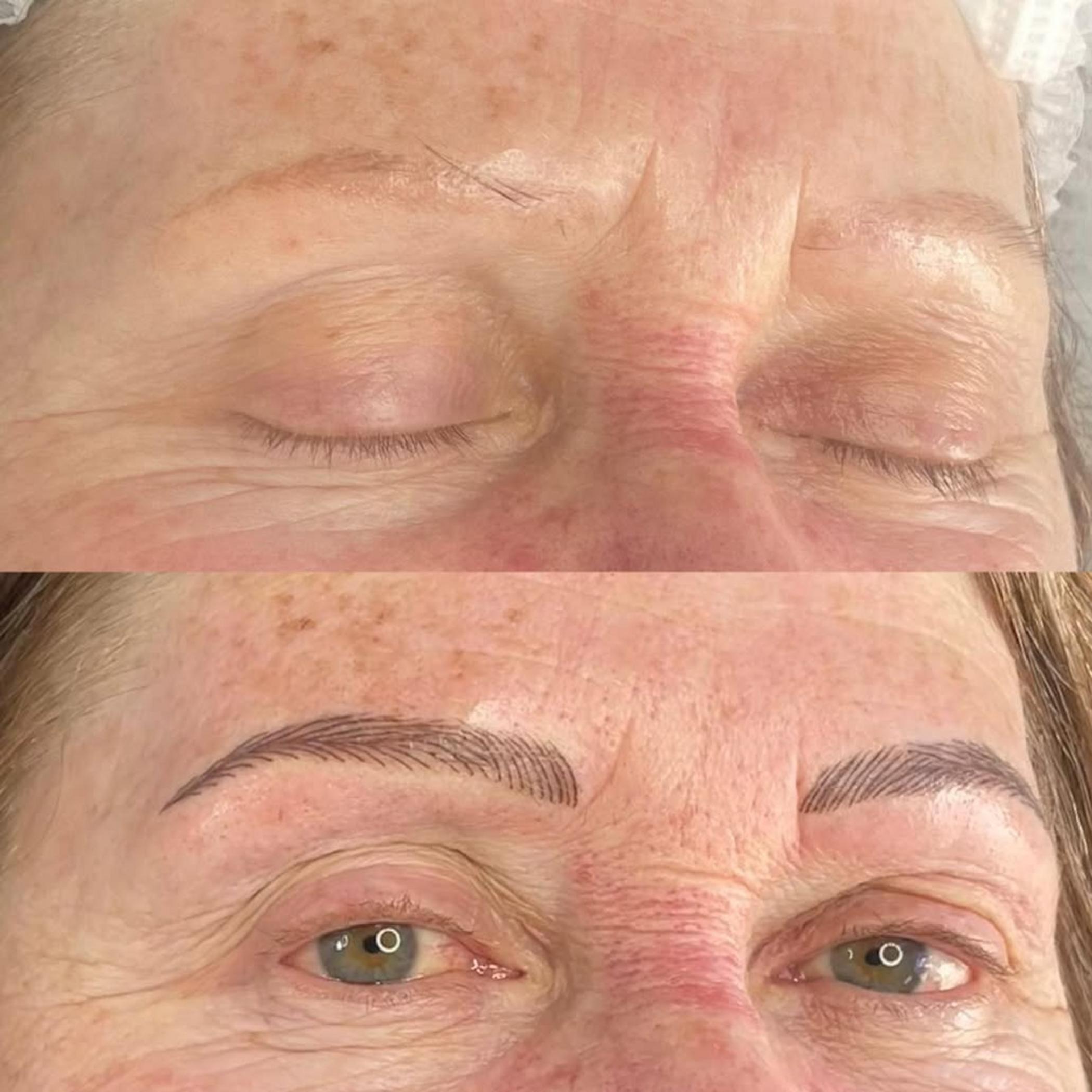
Here’s what you need to know about cosmetic tattoo pricing in the land down under – but not in stone. The cost can vary widely depending on a few key factors: corrections to previous work, the artist’s experience, and the quality of the ink used. If someone is quoting a price that seems suspiciously low, ask yourself: what kinda machine are they using? What kind of pigments are they working with? And just how on earth are they going to keep things clean and hygienic? Cheap brows can turn into a whole lot of extra expense if corrections are needed.
Expectation vs Reality: The Healed Result
Fresh out of the tattoo chair, your cosmetic tattoo may look a heck of a lot stronger than it’ll end up. This is completely normal, by the way. Around days 4 to 10, many clients start to get the jitters because the brows darken, then flake, and finally seem to fade far more than expected. In reality, the healed result will usually soften by around 30 to 50%, depending on your skin type, the colour you’ve chosen, and how well you stick to your aftercare routine.
Getting the Best Out of Oily Skin
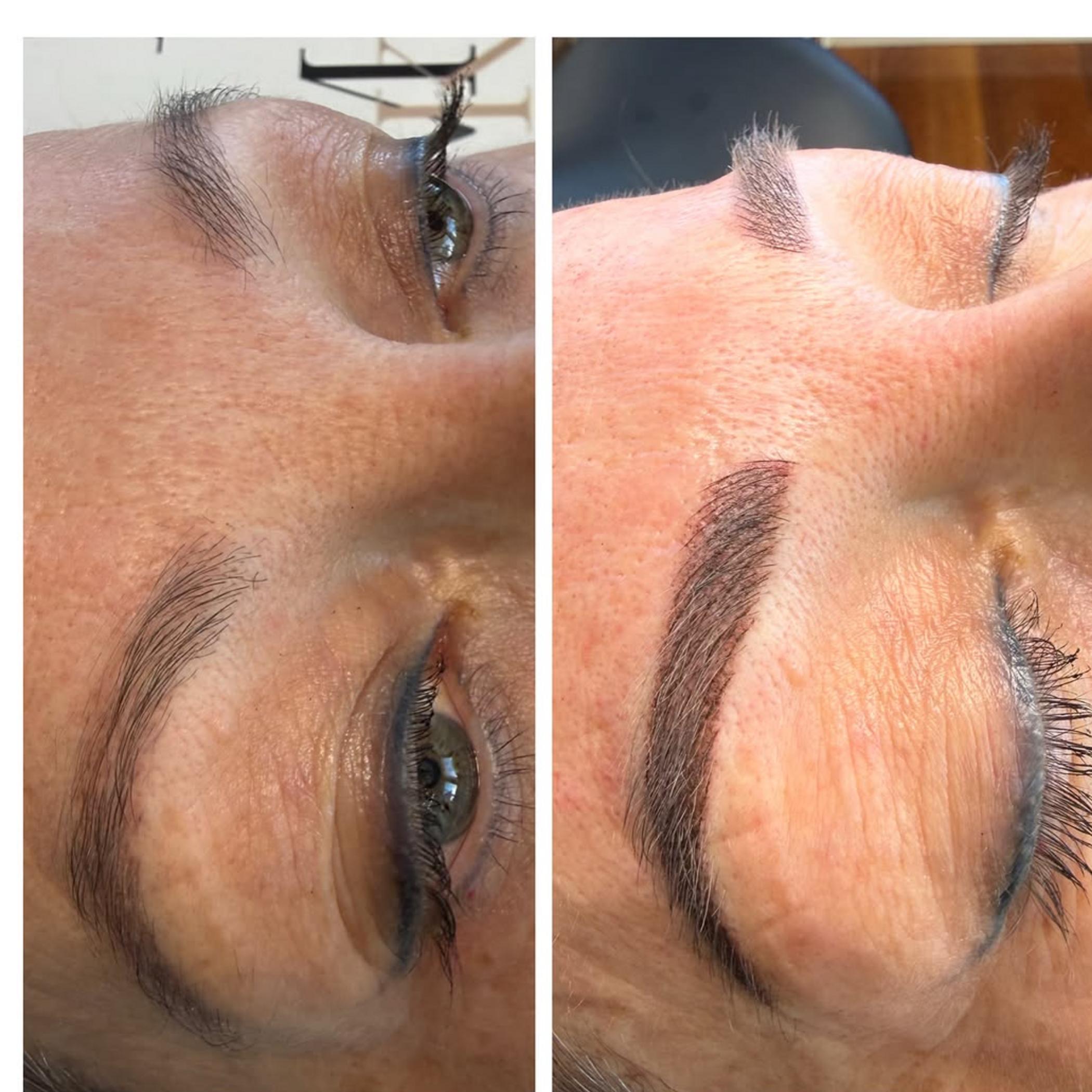
The good news is that you can still get great results if you’ve got oily skin. It just requires a bit more care, a bit more planning, and being a bit more realistic about what you can expect in the long run. And that’s where the experienced artists really come into their own.
The Hybrid Approach – A Good Compromise
Why do you have to choose between powder and nano brows? There’s a third option – hybrid brows. This technique combines softer shading with more defined strokes, usually just along the front or upper brow line. That gives you all the shape and density you need, without relying on super-fine lines that just aren’t going to hold up.
I had a client from Melbourne who had very oily skin and old, faded strokes – she needed a brow correction. In some cases, an ombre brow correction for old brow tattoo can be a great solution, rather than trying to redo the whole thing with microblading. And guess what? The result healed up a whole lot better, and she didn’t have to spend ages each morning trying to fix the shape with brow gel and a prayer.Healing with Oily Skin – It’s a Bigger Deal
Healing up after a cosmetic tattoo when you’ve got oily skin is just a bit trickier than for other skin types. You’re looking at a good 7 to 14 days of surface healing, and at least 4 to 8 weeks before you can really tell how the colour is looking, and whether a touch-up is needed.
Try to stay out of the heavy sweating, swimming and sauna action for at least 7 to 10 days – your skin will thank you!
Keep those skincare actives and retinol products well away from the eyebrow area – it’ll just cause more trouble than it’s worth.
And if your artist gives you aftercare instructions for oily skin, make sure you follow them to the letter. Over-cleansing and over-moisturising will just cause you grief.
Melbourne’s seasons can be a real pain in the behind, too. You’ve got dry winter wind to contend with, which just makes flaking a bigger issue, and then there’s the heat and oil production of summer, which just makes retention a nightmare. If you’re one of those people with a packed social calendar – gym sessions, beach trips, tropical holidays – you might want to think about putting treatment on hold.
Choosing a Safe Place to Get Your Brows Done Here
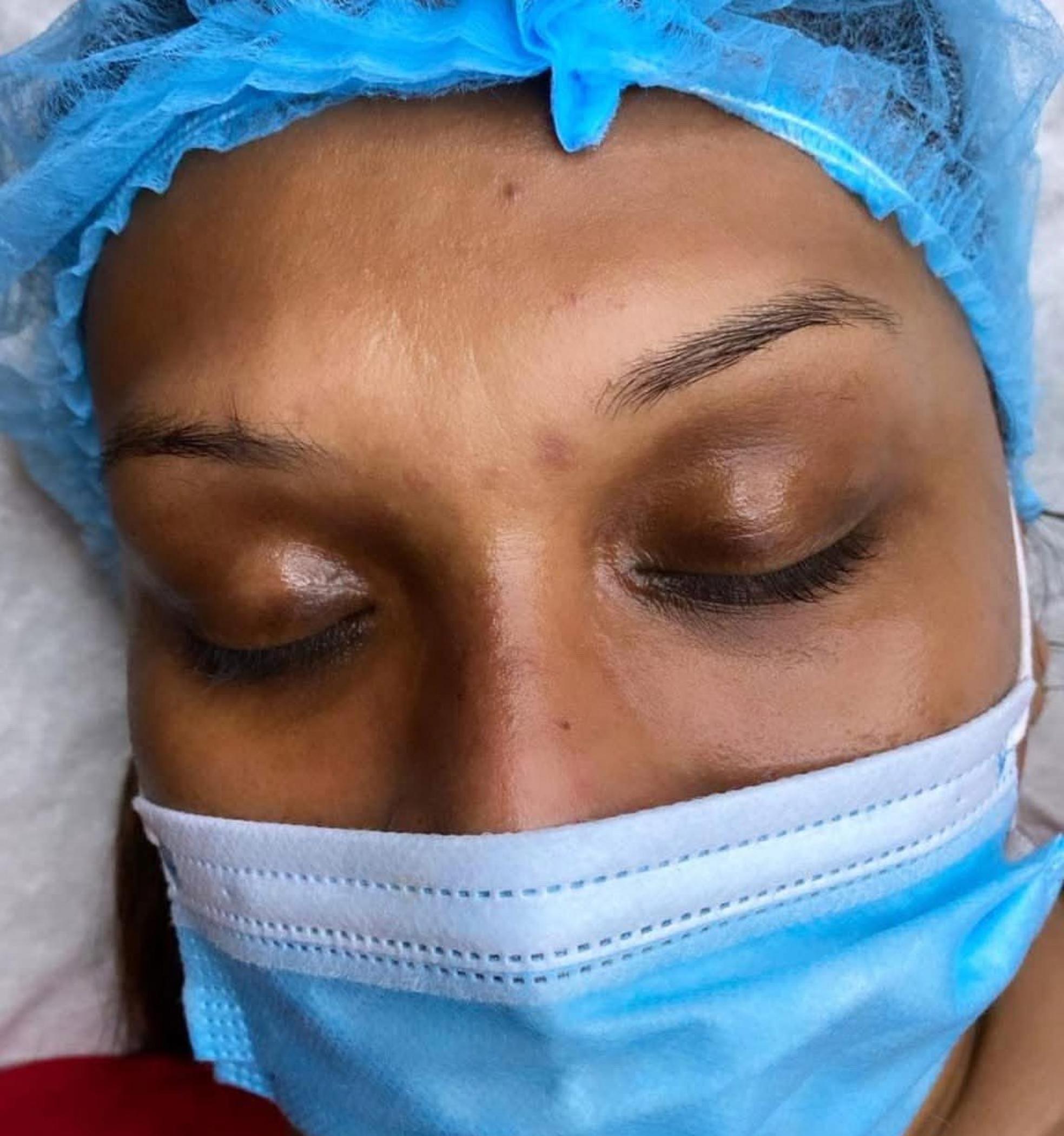
The tools might be great, but its still the artist using them that matters more. If a pro has the best gear but no idea how to use it, then it’s still going to end up a bad job. That’s why I always tell clients to check out the healed work and not just the photos of the artist’s more recent punters.
Check the Band’s Credentials and Cleanliness
Look for all the right permits and licenses, local health regulations being followed, disposable rubbish being used when needed, and, if you’ve got sensitive skin, make sure they’re doing patch tests. You should also check their portfolio – are they posting up healed photos of similar skin types to yours? Some good training schools and brands you might see include PhiBeauty, MDBrows, BangOnBrows, Le Kitsune, or artists who’ve been trained in line with international standards from pros like Tracie Giles – having a big name on the training syllabus isn’t always the deciding factor in who’s good, though.
At Face Figurati, I always personally assess your skin type and texture before even recommending what design will suit you best. If you’re pregnant, breastfeeding, you’ve got skin conditions, using Roaccutane or blood thinners, or tend to get those nasty keloid scars, then you’re best off coming back another time. Or get the doc to give you a green light first.
Get the Best Brows for You
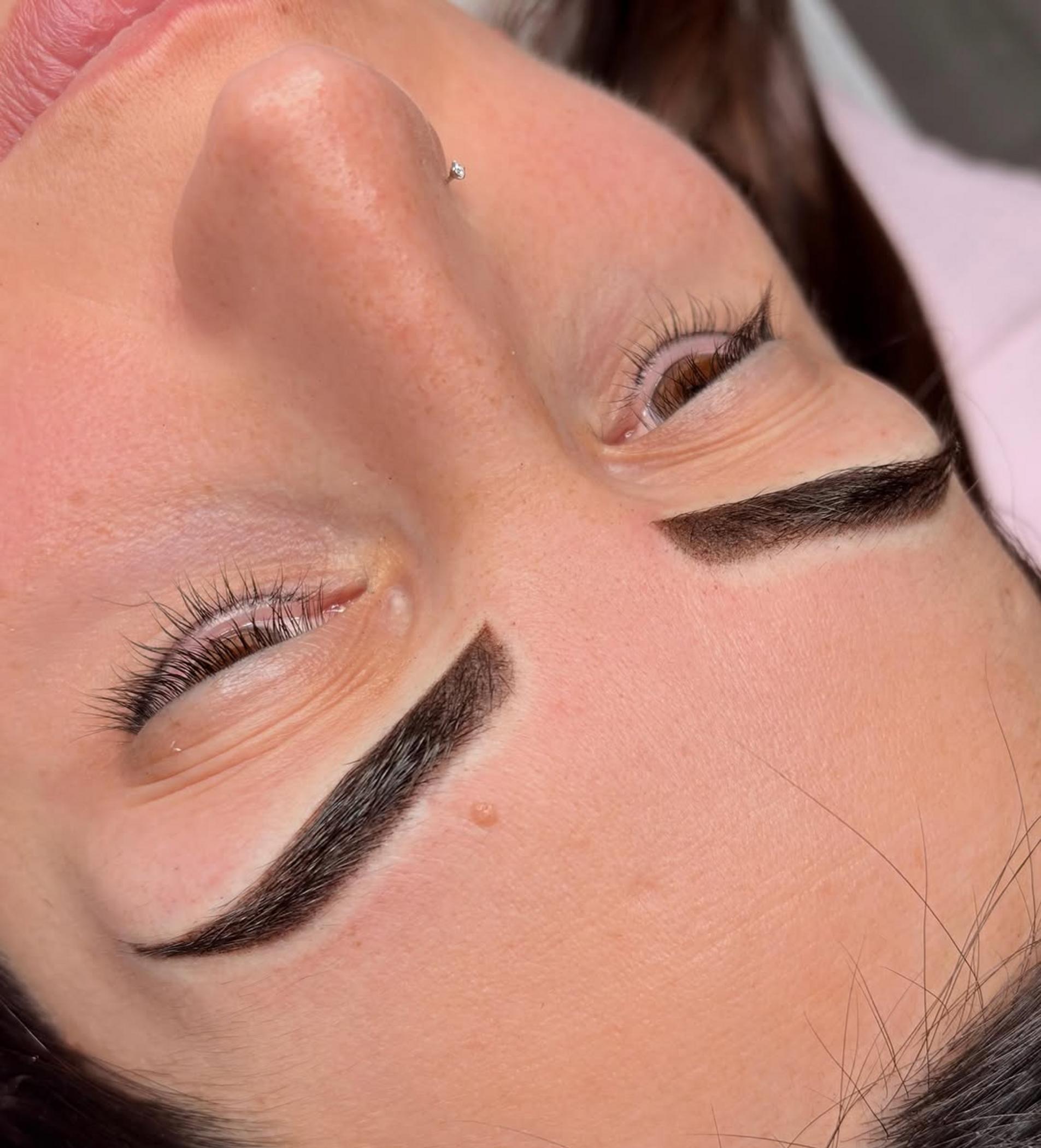
If you’ve got oily skin, then a safe bet would probably be powder brows. If you want to go for that super-natural, natural-stroke look but your oil levels are a bit more under control, then nano might suit you better than microblading. Now, microblading can sometimes work for some clients with oilier skin, but it’s defo the highest-maintenance option.
I’m Olha Po, and my advice is simple: get brows that suit your skin type, not the ones trending on Instagram right now. Still not sure which style is best for you? Contact Face Figurati in Melbourne, and I’ll walk you through it, step by step.
Summary: For people with oily skin in Australia, powder brows are usually your best bet for the longest-lasting results; nano brows might be better for a softer look if you’re not totally oily; and microblading is the riskier option. What really makes the biggest difference in the end is good technique, realistic expectations, and aftercare.
FAQ
Is microblading better than Nanoblading for oily skin?
Nope, nano is usually safer for oily skin. The machine tends to produce a neater finish than using a hand blade on oily skin.
Which is better, powder brows or nano brows?
If you’ve got super oily skin, then powder brows are usually a safer bet for retention. If your oil levels are a bit more under control and you want that softer, hair-like look, then nano might be the way to go.
Are powder brows better for oily skin?
Yep, they usually do better in the long run, especially if you’re super oily. They tend to blur less and fade out more evenly.
Which brows are best for oily skin?
That really depends on your skin type. Usually, it’s powder brows or a hybrid of nano and shading. It all comes down to how oily your skin is, plus how big your pores are, and what finish you’re chasing.
How often will I need a touch-up?
Generally, most people need a follow-up session at 6 to 10 weeks to get the perfect look. After that, most people need to have a touch-up every 12 to 24 months, depending on the type of brow you got done and how your skin reacts.