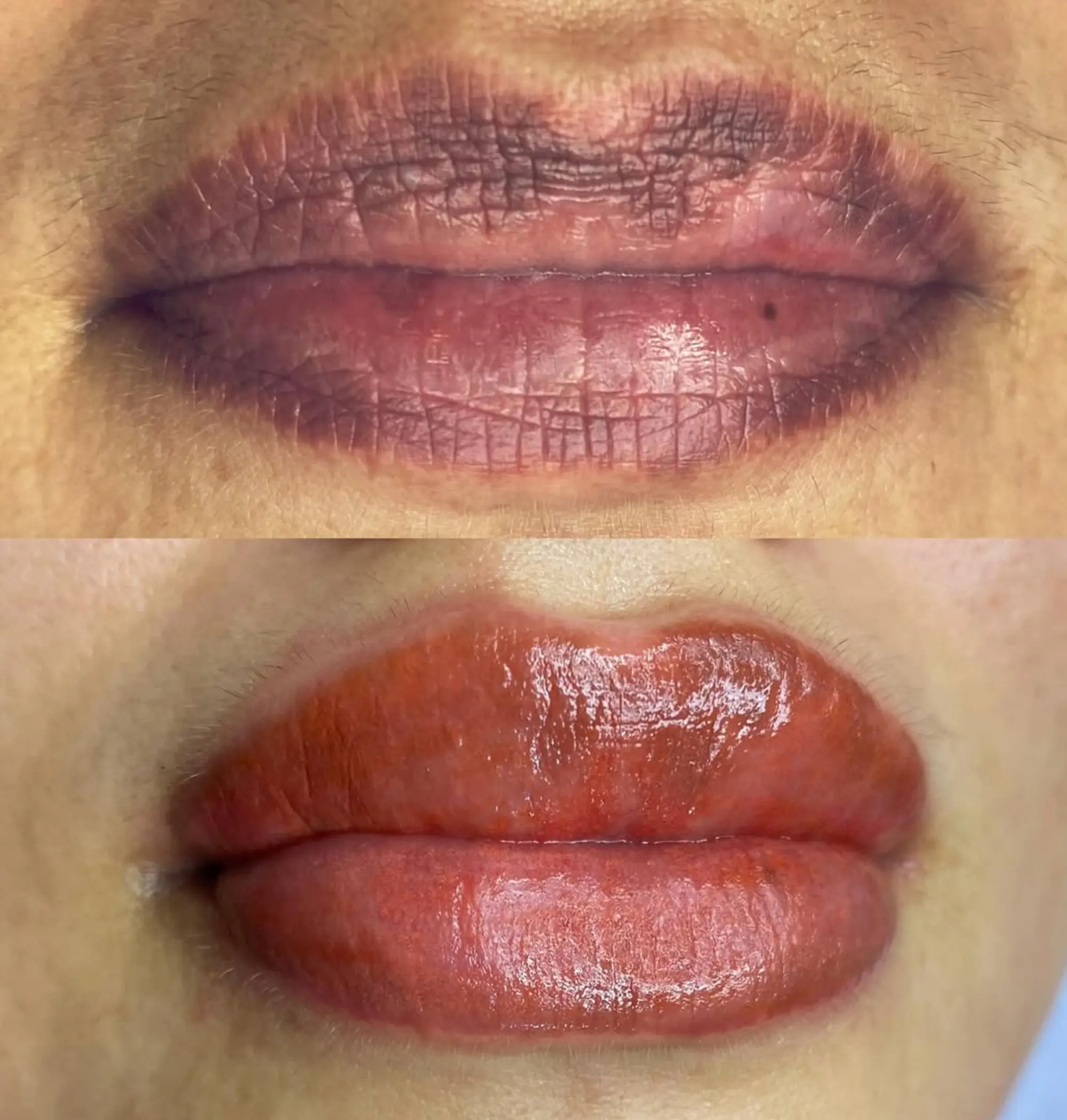
Can lip neutralisation for post-inflammatory hyperpigmentation be done safely? The simple answer is yes – in some cases, but it’s not a straightforward fix, and it’s not for everyone, and even then, you need to have a handle on a whole bunch of things before you even think about it. I’m Olha Po, a lip specialist with years of experience at Cosmetic Tattoo Studio Melbourne Face Figurati and I can tell you flat out: whether it’s safe for you depends on your skin history, exactly what your skin is like, what’s happening with your lips right now, the technique used, the type of pigment, and how good you are at following the aftercare instructions.
Now most people get this part wrong. Dark lip neutralisation isn’t some magic fix that works for every client, especially if you’ve got darker skin. It’s about being gentle, using the right pigment and a patch test if needed, and keeping expectations in line with reality. Rush it, do it on someone tough to work with, or try to tackle genuinely compromised lips, and you risk ending up with PIH, poor retention, or patchy healing.
Let’s Talk Honestly First
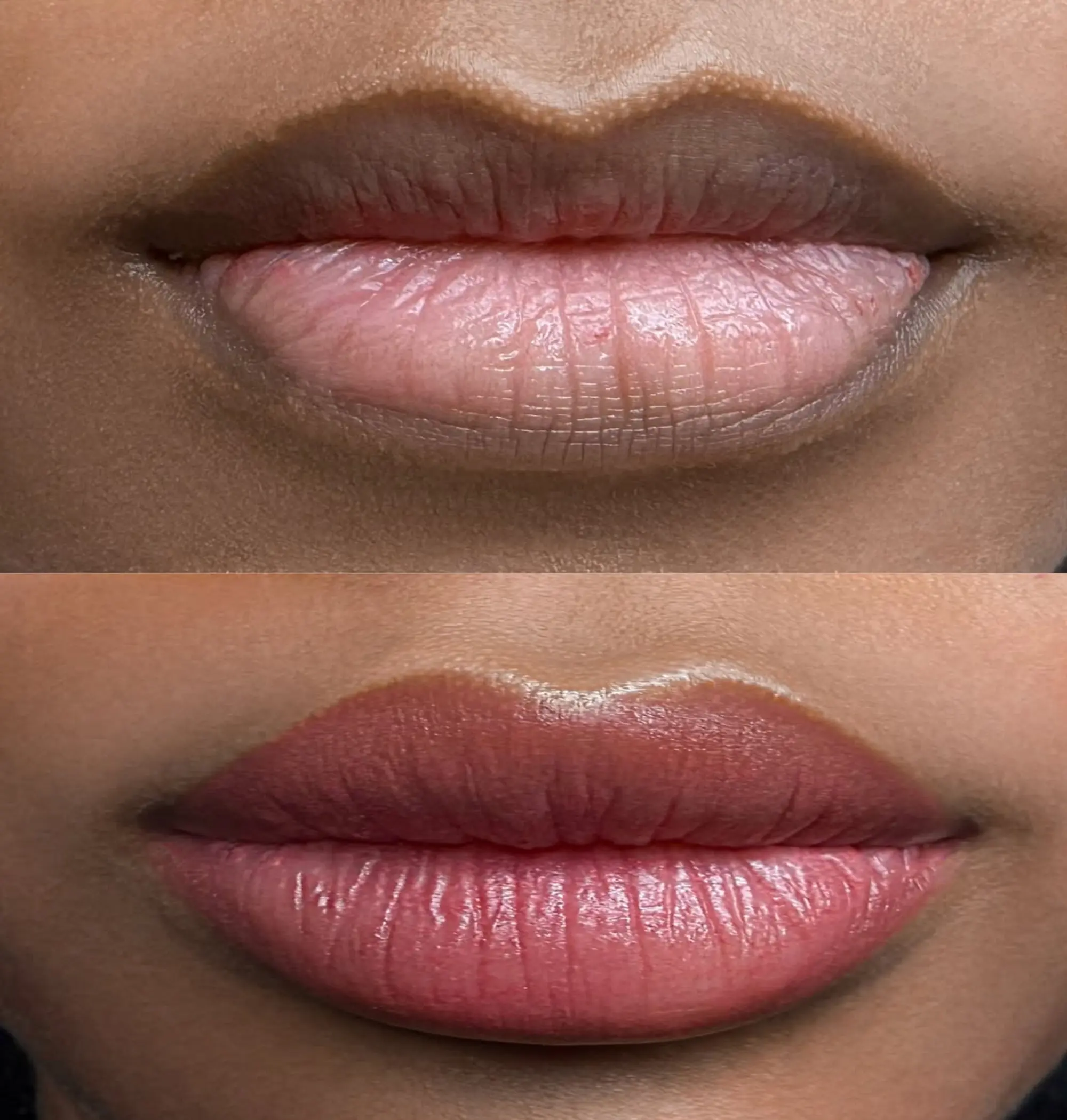
You’re reading this cos you’ve got uneven lip tone, or maybe you’re dealing with some old scarring from a previous trauma. And yeah, the results can look amazing when it’s done right. But if you are one of those people with a history of post-inflammatory hyperpigmentation, you need the truth, not some glossy sales pitch, and you need it from someone who isn’t going to give you pie-in-the-sky promises.
At Face Figurati, we don’t rush into anything – we treat this as a safety-first procedure. If I think someone needs to wait a bit longer, prep their lips, or even skip the treatment altogether, that’s what I’ll tell them. It may not be the most exciting approach, but trust me, it saves everyone a whole lot of hassle – and heartbreak – in the long run.
What The Treatment Actually Does
Lip neutralisation is a special kind of cosmetic tattoo that gets used to balance out uneven lip tones – the cool, dark or patchy bits. It doesn’t whiten the lips, remove melanin, or pretend to be a medical treatment for hyperpigmentation. What we do is use special warm pigments to cancel out those cool undertones, often mixing in an orange-based formula, all done over a series of sessions.
Now this is important because people often get the wrong idea about lip blush PIH and how to deal with it. They might think that a single treatment with a bright neutralising pigment will fix everything, but the best results come from working in stages rather than cramming everything into one go.
How Colour Correction Stays Safer
Techniques make all the difference here. I see the same lips fix up beautifully with one artist and react badly with another, all because one artist worked with a light hand and the other overworked the skin. That’s not just salon gossip – it’s what you learn after years in the treatment room.
When it comes to PIH-prone clients, I always put skin response first and colour second. If the skin swells too quickly, shows any sign of trauma, or has recent irritation, we slow down or stop dead in our tracks.
Pigment And Pressure Matter
Getting a good lip neutralisation going doesn’t mean forcing brightness into the skin. It’s about understanding how pigment works, working at just the right depth, and avoiding all those repeated passes that leave the tissue red and inflamed. Overworking the skin is basically the best way to increase your chances of post-inflammatory hyperpigmentation.
At my studio, Cosmetic Tattoo Studio Melbourne Face Figurati, I use top-quality pigments and professional machines that let me control their movement, rather than trying to “scrub in” the colour with all my might. Clients often can’t believe it when I say a softer first pass can give a better healed result than a result that’s super bold right after treatment – that’s just expectation vs reality, and it’s not always what you want to hear, I know. Expect a bold look right after treatment, as it often heals much softer, and that’s usually a good sign, not a failed appointment, as some might think.
Who Usually Suits This Best
Not everyone with darker lips is the same candidate. Whether someone is a good candidate for “lip neutralization near me” depends on what’s causing the pigmentation, your skin type according to the Fitzpatrick scale, whether the darkness is stable or active, and whether the skin on your lips is healthy enough to be tattooed.
People with darker skin tones can definitely be treated, but they need to find an artist who has experience with lip neutralisation on Fitzpatrick skin types – they don’t need just anyone copying a trend they saw on social media without a care in the world.
Risk Clues I Look For
If a client has reported previous PIH from acne, waxing, laser treatments, eczema, dermatitis, or even a small cut, I get extra cautious. I also take a close look at their smoking history, whether they’re a habitual lip biter, how much sun they get, how often they get dehydrated, and if they’ve ever used any products that might irritate the skin around their mouth. If their lips are chapped, inflamed, sunburnt, or have recently had a flare-up, we put off treatment.
In my studio, most of the time, it’s the people who are less suitable who are the ones with active irritation going on, unmanaged medical issues, unrealistic expectations, or a history of strong pigment rebound. If they only have one session, I explain that the best we can do is tone balancing, not a complete transformation overnight.
Risks You Need To Know
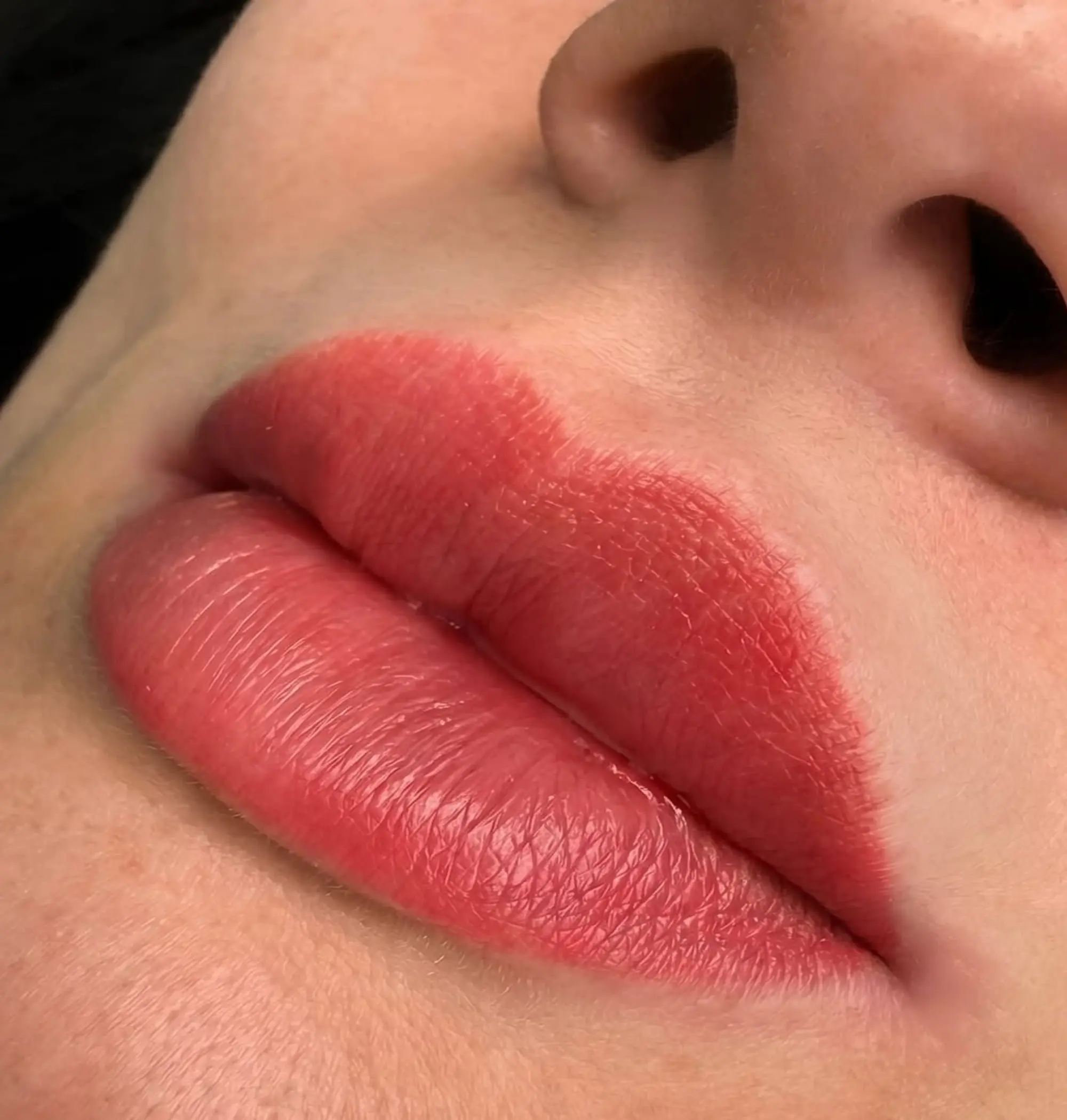
Yes, there are genuine risks – and pretending they’re not is part of why some people end up frantically searching for emergency cover-up lip liners. People prone to PIH (post-inflammatory hyperpigmentation) are particularly at risk because the trauma from getting a tattoo may actually make hyperpigmentation worse, not better.
It doesn’t mean the treatment is inherently unsafe, though – it just means we need to plan things carefully and be aware of all the potential pitfalls that can come up during the healing process.
Common Issues In PIH-Prone Lips
- Temporary darkening, especially during the lip neutralisation process
- Patchy retention, where some areas end up retaining heat, and others heal cooler
- PIH after lip tattoo, which can happen if the trauma is too great or aftercare isn’t up to scratch
- A higher risk of cold sore flare-ups if you’re already prone to them
- Infection risk if you mess up on the hygiene or aftercare
- Pigment migration or muddiness if the depth isn’t right
We had a client come in recently who’d had a lip tattoo done elsewhere, only to end up with this mess: oversaturated borders, uneven brown-grey colour – the whole nine yards. It wasn’t just a question of picking the wrong colour, either. The problem was that the technician had worked the lips too hard, then set them under heat and steam from coffee, and they also got picked at during the first week. Let’s just say that’s a recipe for disaster.
Assessment Before Needles Matters
This is where the real protection is. A proper consultation should cover pretty much everything: medical history, how your lips are currently doing, what tends to trigger pigmentation for you, any previous cosmetic tattooing you’ve had, whether you’ve had herpes simplex before, any allergies you’ve got, and things like your job (if you work outdoors, for example) and how much time you spend in the sun.
And let’s not forget Melbourne weather – it’s a real wild card. You can get some pretty harsh winds in winter that’ll dry out your lips something fierce, while summer sun can just make everything worse if you’re not careful.
Patch Testing And Timing
If you’ve got a history of sensitivity, a patch test can be a good idea. But it’s not always a guarantee, either – some people will still react even if you’ve done a patch test. I’m pretty careful with my timings, too. If you’ve got a beach holiday coming up, or you’re planning on doing some other kind of invasive treatment that’ll affect your skin, it might actually be better to put off getting tattooed.
A typical appointment can take around 2.5 to 3 hours, including the consultation, mapping out the design, choosing a colour, taking some photos, performing the treatment, and going through the aftercare instructions. Most people need around 2-3 sessions, spaced about 6-8 weeks apart, to get the colour looking right.
Aftercare Reduces Trouble
For people with PIH-prone lips, aftercare is actually an integral part of the treatment process. Getting it right can make all the difference – it can reduce inflammation, lower the risk of infection, and just generally help the colour settle in more evenly.
The thing is, most people get this bit wrong by thinking that just because the lips look healed, they’re fully recovered. Not quite.
What I Tell Clients To Follow
- Keep the area clean and only use the balm I recommend
- Avoid picking (or even attempting to pick) at the scabs – it’s just going to make things worse
- Steer clear of spicy foods, excessive heat, pools, saunas, and hard exercise for a bit
- Use sun protection SPF around the area once it’s stopped oozing and is nice and calm
- Avoid using any dodgy acids or active skincare near the mouth during healing
You can usually get back to work the next day if you’re cool with a bit of swelling or colour intensity. Social events are another story, though – if you’ve got a big do coming up in two days, maybe hold off and book for another time.
Healing Takes More Than A Week
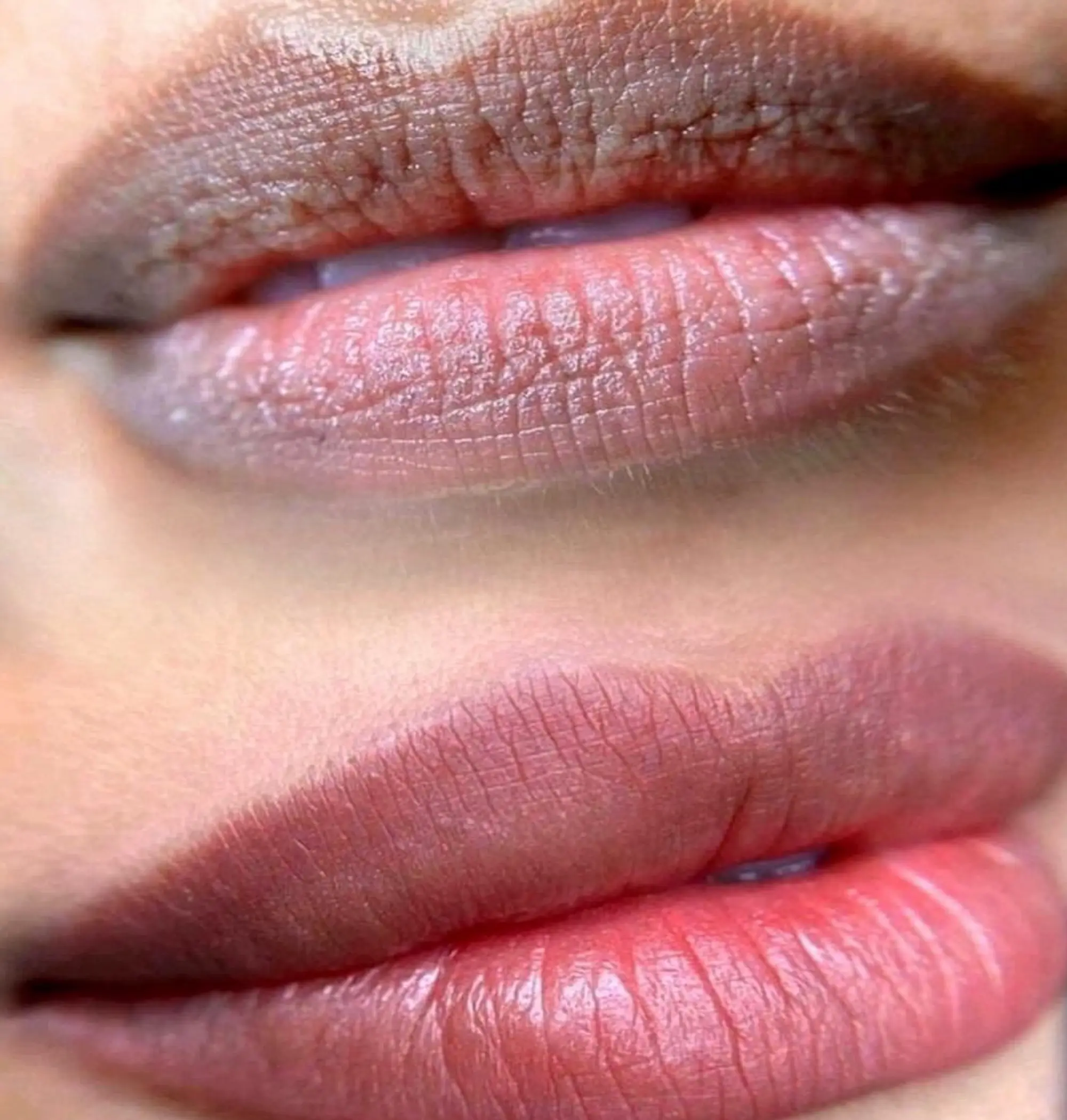
The whole “2–5 weeks to heal” thing is a useful guideline, but lets get real- life’s a bit more complicated than that. Clients prone to PIH might actually see things get a little worse for a bit before they start to get better, and that final result can still be settling in well past a month.
Which is why I never try to judge a result too soon. Fresh lips, flaky lips, and healed lips are three totally different stages, and you can’t always tell which is which.
Typical Healing Stages
| Stage | What You May Notice | What It Means |
| Days 1–3 | Swelling, brighter or warmer tone | Normal early response |
| Days 3–7 | Dryness, light flaking | Do not pick scabs, as picking increases the risk |
| Weeks 2–5 | Colour softens, and patchiness may show | Normal settling phase |
| After 6–8 Weeks | True retention visible | Time to assess the touch-up need |
To be honest, our clinic’s experience shows that people who follow the aftercare pretty closely and don’t rush back to normal habits too quickly heal much more evenly than those who try to get back to normal too fast. Yeah, it seems obvious, but it keeps showing up in the results.
When Other Options Make Sense
Not every case starts with a tattoo. If there’s an active pigmentation issue, a medical issue, or you’re experiencing irritation, you might need to see a dermatologist, GP, or even a Skincare Laser Clinic before you do anything at a cosmetic tattoo place. Educate yourself, and you’ll avoid all the drama that comes with regret later on.
Pigmentation that just won’t go away might respond better to medical attention, a dermatologist’s involvement, or sometimes just waiting for it to settle on its own.
Costs And Corrective Planning
If you’re looking at getting some lip “neutralisation” done in Melbourne right now, the cost is usually anywhere from AUD 300 to AUD 800 per session, depending on your artist’s experience, how complicated the job is, how much you’ve had done before, and what kind of pigments you’re using. Correcting issues that have arisen after some dodgy treatment can cost even more because it’s usually much longer and much more cautious. I’ve seen plenty of people get in over their heads with some would-be “wonder workers” – that’s the expensive “quick fix” that actually ends up costing a lot more.
When you’re comparing places like Lilac Beauty (AU), Divinity Aesthetics, The Golden Room Salon, LashPilot, Biomaser-trained artists, or JCAD Online, ask them specifically about experience with PIH-prone lips; don’t just go for the pretty photos.
My Final Advice For Safer Results
So is it safe to do lip neutralisation if you’re a PIH-prone client? Sometimes, yes – if your lips are healthy, the risk is assessed properly, the technique is kept nice and low-key, and you understand that safety comes before speed. That’s the honest answer I give every week to every client who comes into Face Figurati.
If you want a real assessment of your lips, book a consultation rather than going off some social media reel. And if you’re not sure treatment is right for you, just give Face Figurati a call. I’m more than happy to walk you through it.
Summary
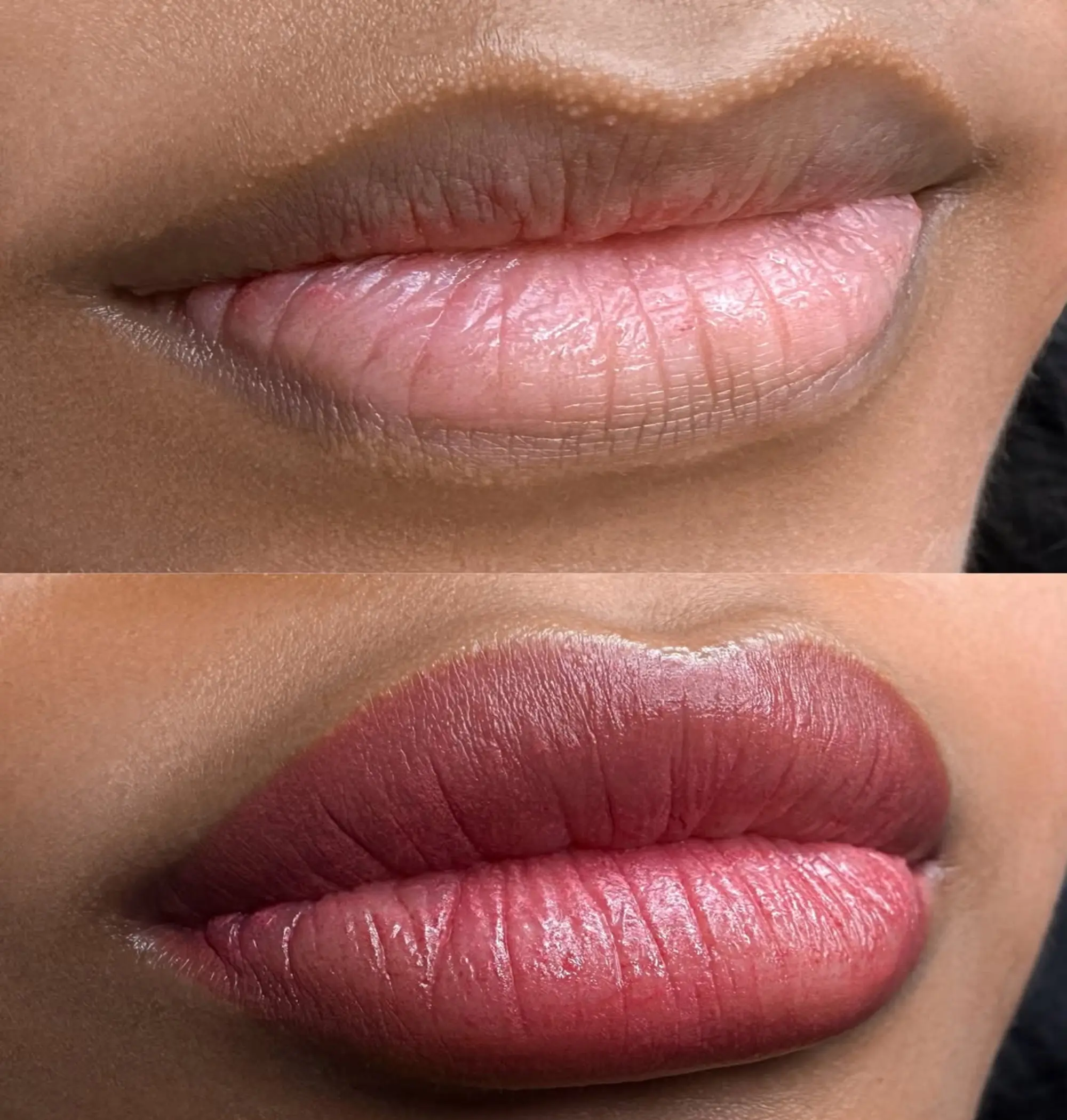
Lip neutralisation might be an option for some people who get scarred or darkened lips, but it’s far from a straightforward process. It requires some serious thought, a gentle hand, a good dose of realism and a tight aftercare plan to get the best results. So before going ahead, get yourself a proper consultation, don’t just rush in.
FAQ
Is lip neutralisation safe?
Well, it can be safe for some people – when it’s done carefully, with a light touch and after a decent assessment.
How to get rid of those nasty bumps on your lips?
First, you need to figure out where they’re coming from. Maybe it’s something you’re putting on your skin, maybe it’s something going on inside your body, or maybe your lip tattoo has just freaked out a bit. Either way, you might need to figure out what’s causing it, which could mean avoiding certain things, checking in with a doctor, using special creams and the like, or getting some cosmetic work done once your skin has calmed down.
Who Is A Good Candidate For Lip Neutralisation?
Someone who’s got lip colour that’s about as stable as a see-saw, has healthy lips, doesn’t have unrealistic expectations and isn’t already in the middle of some irritation.
Is lip neutralisation worth the trouble?
It might be worth the hassle, mainly for people who really hate how uneven or pale their lip colour is. The bottom line is that it all depends on whether you’re a good candidate, the tattoo artist is any good, and you’ve got the patience for a few sessions of tweaks.
Can PIH – you know, those awful dark spots – happen after the tattoo?
Yes, it can. Just because you got through the tattoo part okay, it doesn’t mean it’s going to stay that way. If you push your lips too hard or don’t look after them properly, then you’re asking for trouble.