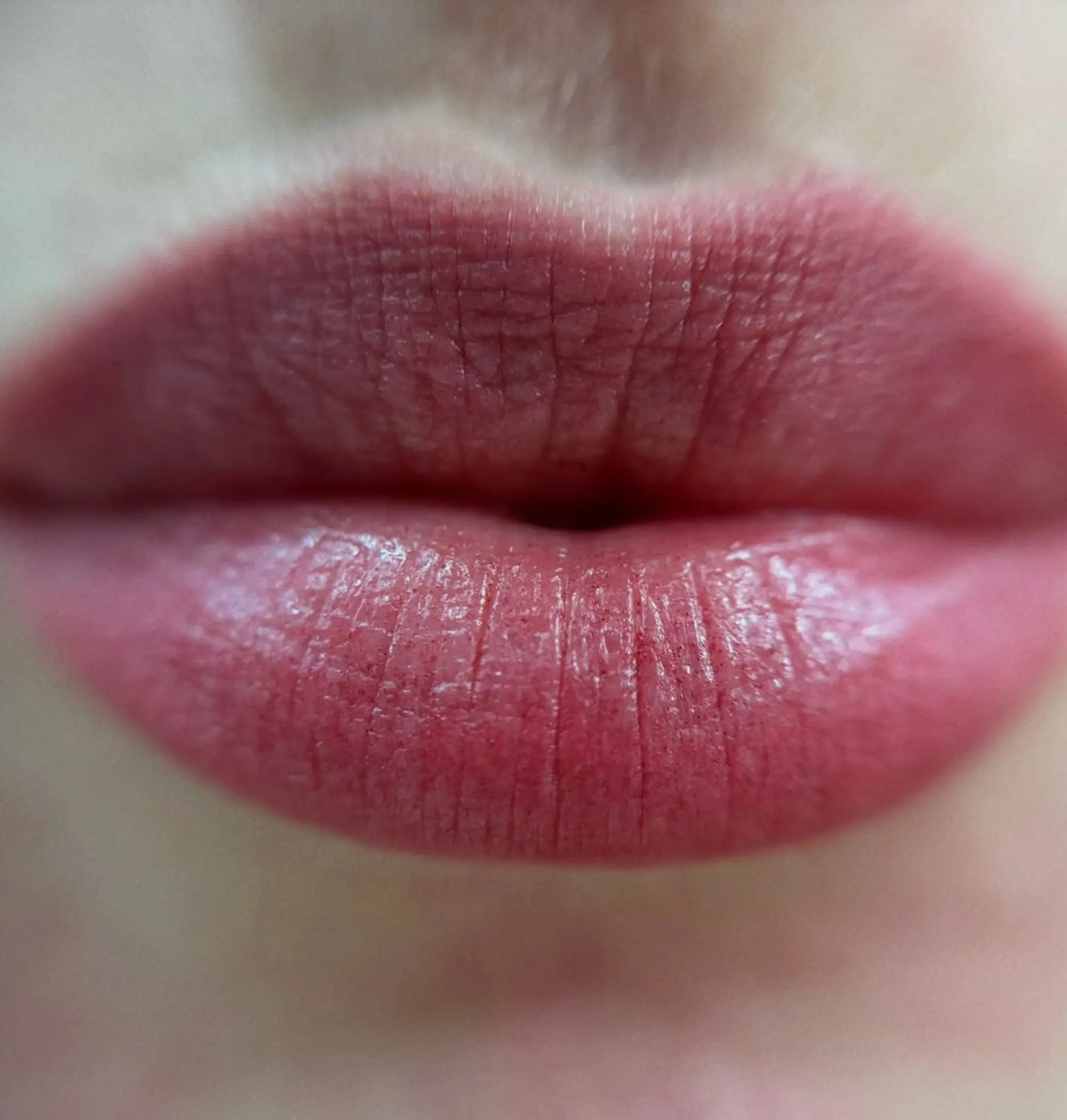
“Why do lips hold pigment differently?” comes down to anatomy, moisture and healing. Well, it all boils down to a few key things: anatomy, moisture, and how our bodies heal. The inside of your lip, called the oral mucosa, is a lot softer, more mobile and – as you’d expect – pretty damp with saliva all the time. Its structure is non-keratinised epithelium – and that means the pigment just tends to fade a heck of a lot faster there than it does on the drier outer lip or that sensitive area around the mouth known as the Vermilion border.
Hi, I’m Olha Po, and let me tell you: this is one of the most common conversation topics I have with clients booking in for a lip tattoo at Cosmetic Tattoo Studio Melbourne Face Figurati. Usually people think that their lip tattoo will heal all nice and even, but the reality is its going to be affected by a bunch of different things – including the way the wet and dry parts of your lip interact, the tissue structure, the blood flow and what kind of aftercare you give it – so its pretty normal to start panicking around day 7 if you cant get your head around it.
Why This Difference Matters
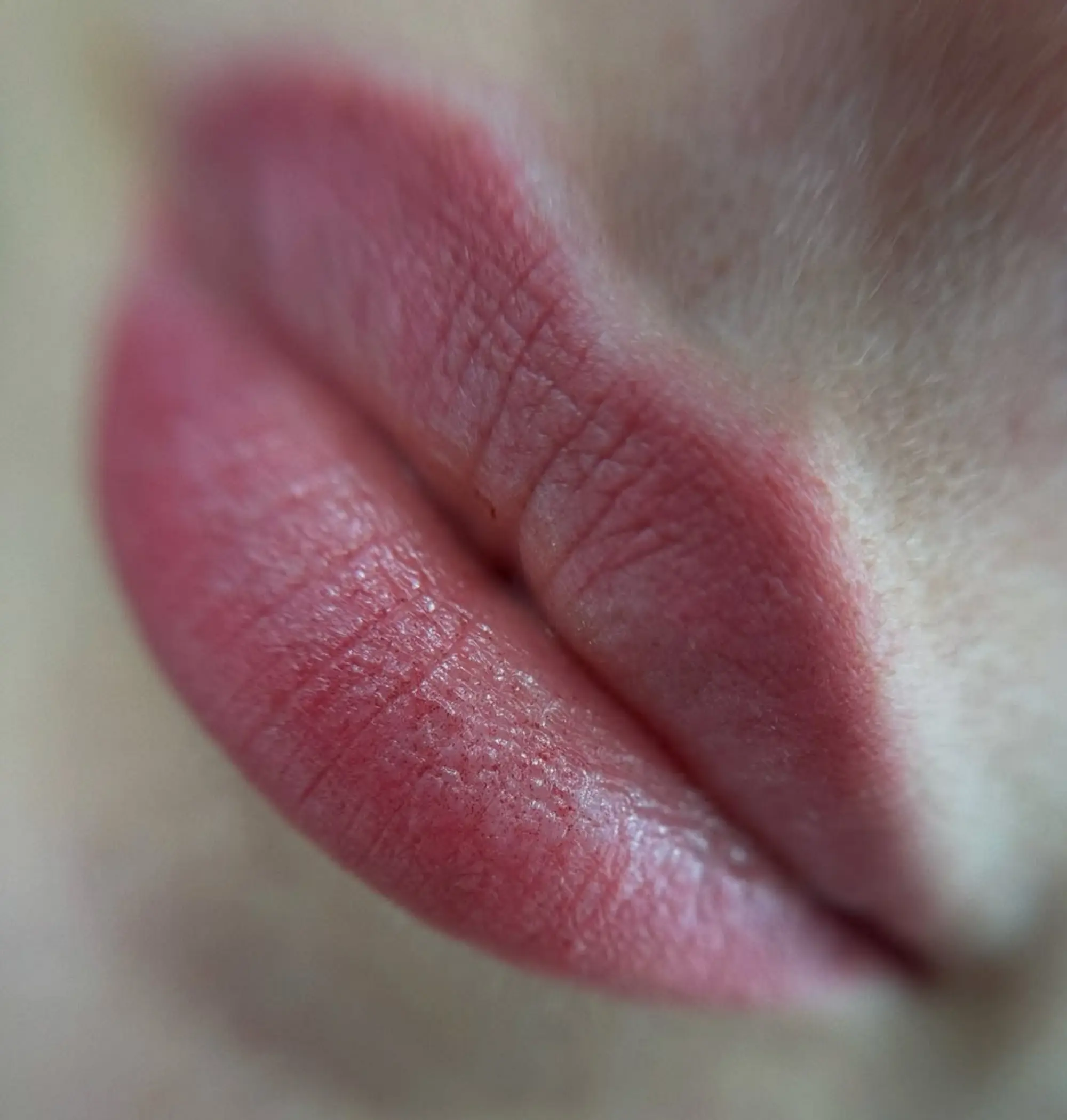
If you’ve ever wondered why your lip blush colours looks a bit patchy after you get a lip tattoo or why the colour on your inner lip fades so fast, then this really is something you need to get a handle on. Its actually really important and can end up affecting the colour choice we go for, the whole design of the treatment and even how many sessions you might need to get the look right – not to mention whether I even think its a good idea to put colour in that delicate inner mucosa in the first place.
You know what really gets to clients at the studio? Its not the pain – its the way the healing process goes. You might be sitting there thinking ‘this looks great’ and then you look down and ‘oh no, I’ve got a big patch on my inner lip’ – especially if you have a job where you talk a lot, if you tend to lick your lips or if you’ve been out in the wind in Melbourne on a cold winter morning.
Anatomy Shapes Retention
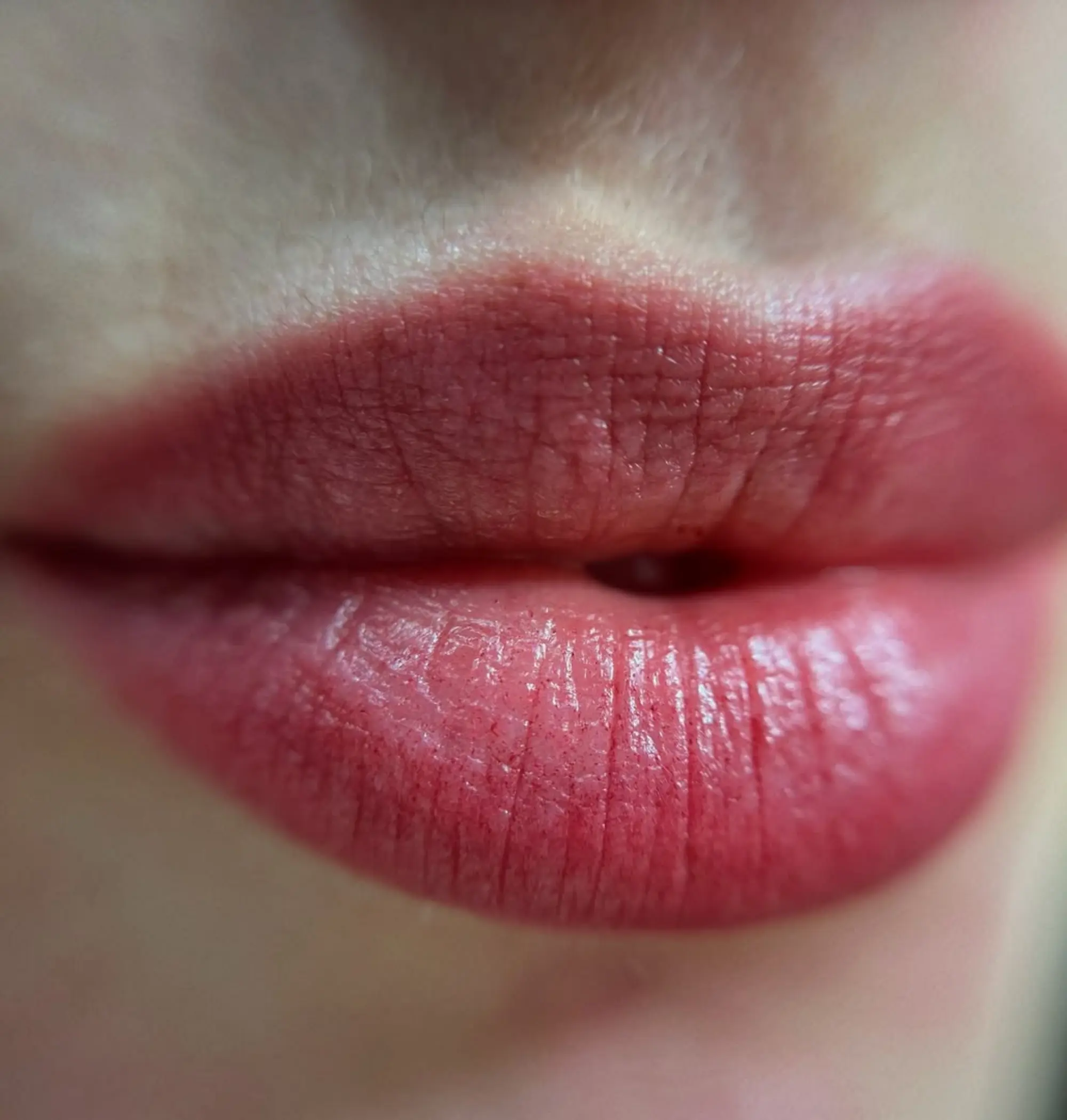
The border of your lip where your skin meets the red lip tissue is called the Vermilion border. The bit inside is the oral mucosa – and that’s where the magic happens. According to some pretty standard anatomy texts like StatPearls and what our dentists see every day at the Cleveland Clinic, the mucosa is actually a bit different from the external lip in terms of how its structured, how much moisture it’s exposed to, and how it heals.
That difference makes all the difference to how the pigment hangs in there – especially on the vermillion border. The outer lip has a slightly more stable healing environment for tattooing, whereas the inner lip is a lot thinner, a lot wetter, and a lot more mucked about. So when people ask why one bit has taken really well, and the other bit hasn’t, there’s a good chance its not because the pigment was rubbish – its just the lip anatomy doing its thing.
Surface Structure Changes Everything
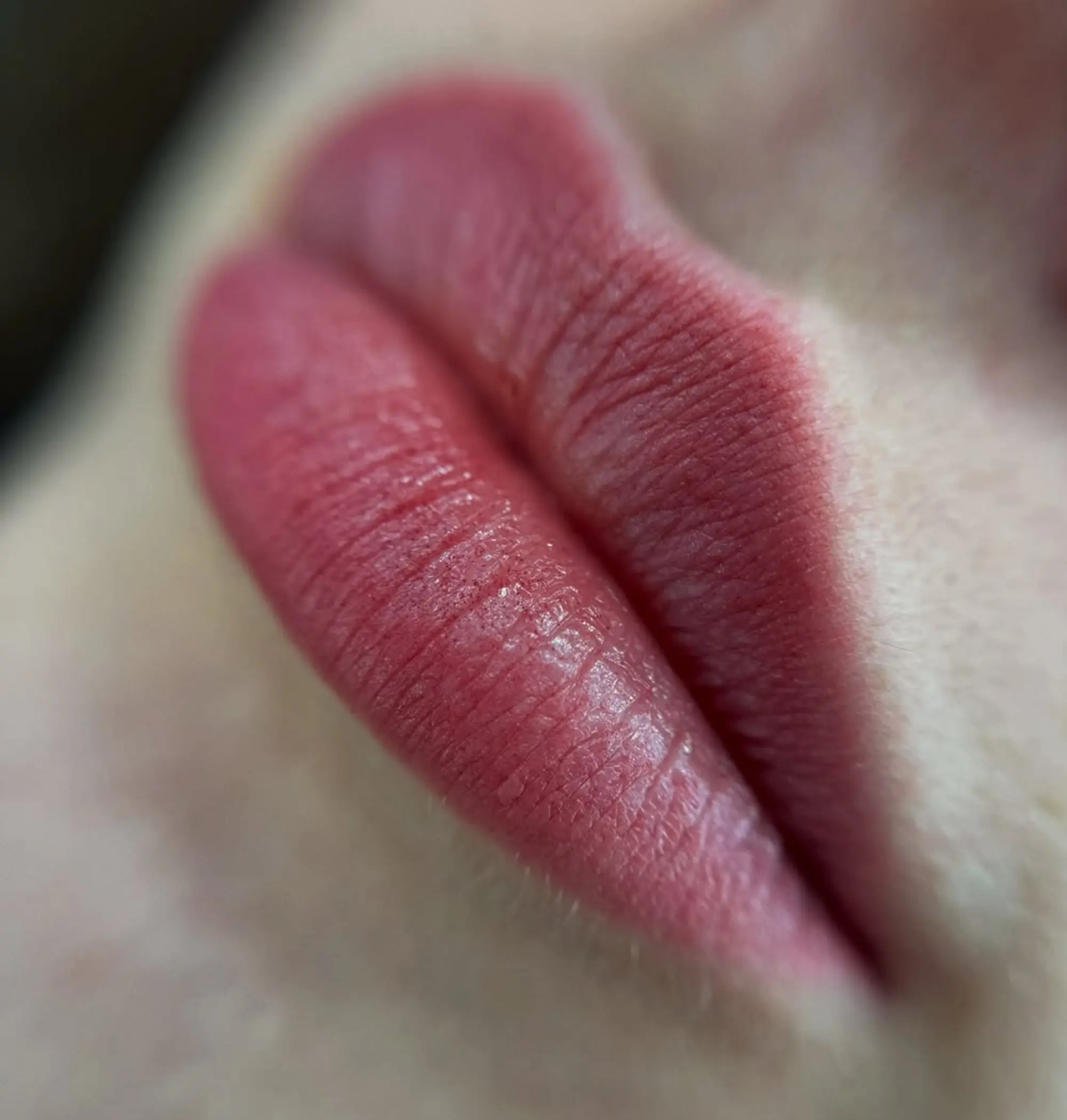
Keratinisation is a word you might not know – but basically its how much protective surface stuff is on the outer lip as opposed to the inside. The outside has a lot more defence against wear and tear, whereas the mucosa sits in non-keratinised epithelium, which is way less reliable at keeping the pigment in place. And then there’s the thickness of the surface layer and the little peg-like structures called rete pegs, which can influence how well the pigment settles.
To put it in super simple terms: one area gives the pigment a fighting chance, and the other is just trying to shift it. That’s why for lip tattoos we have to take a totally different approach when its the mucosa versus the vermillion border. A lot of beginners get into trouble trying to push colour into the wet line, when it really just needs to be left to settle in its own time. And if you don’t take it easy on it, you can end up with all sorts of irritation and colour bleeding.
Why The Wet Line Fades
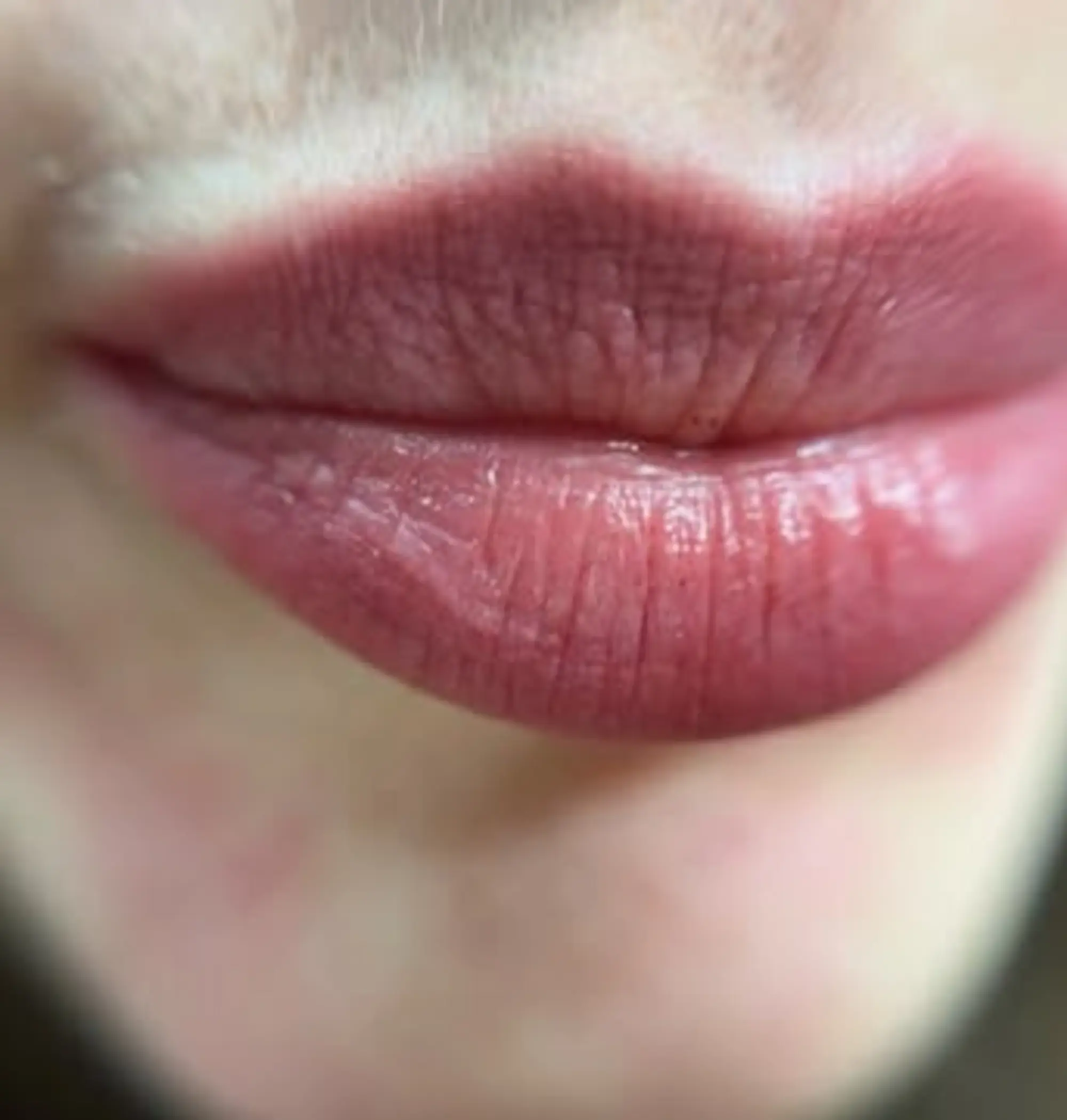
The wet-dry line – that’s where a lot of clients think the magic happens, and instead it’s where reality sets in. A lip might look like a single, continuous lip, but healing-wise, it’s a whole different story. If you want a result that looks natural and lasts, that’s a line your artist really needs to respect.
I tell clients this all the time: the inner lip isn’t ‘faulty’, it’s just busy being a mouth. So, you’ve got a constant stream of saliva, food, talking, stretching, the odd salivary gland and then just general movement all chipping in to make things a bit tricky during the healing process.
Moisture Speeds Up Loss
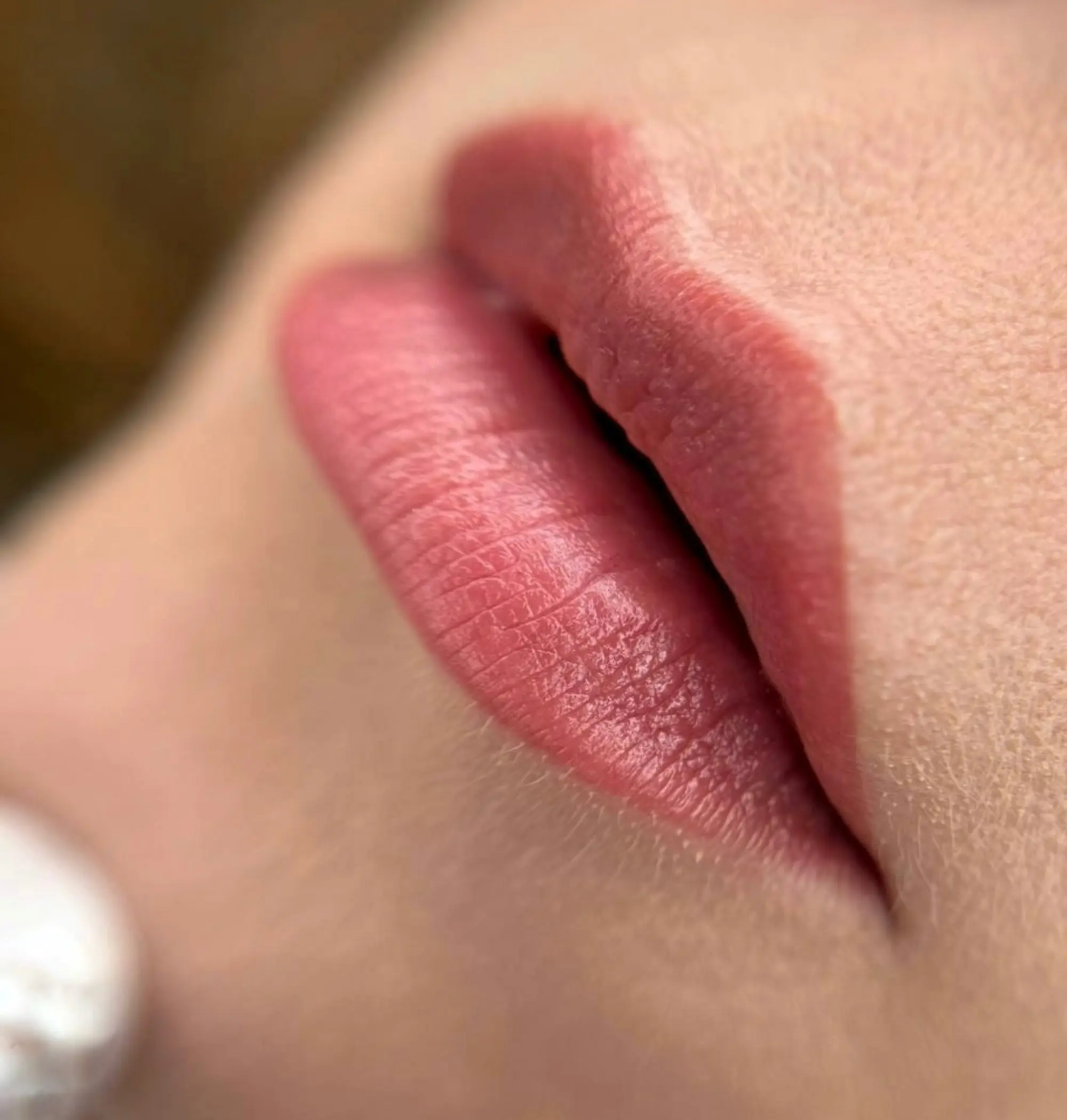
When saliva keeps an area damp, it fundamentally changes the whole healing environment. And if you look at the lip tattoo healing process, the wet-dry line can be a real pain point. Generally, you’ll see stronger retention on the drier side and softer retention on the wet side – that’s one of the main reasons for lip tattoo loss after the first session.
Now, in Melbourne, it’s not all sunshine and rainbows. Winter wind can dry out the outer lips, and indoor heating isn’t much better, while summer sun can not only inflame the lips but also dehydrate them. And that’s not to mention the impact on aftercare – but the wet inner lip will still remain the trickiest spot for long-term retention.
Movement Increases Patchiness
Lips are in constant motion, from eating to kissing your mate to sipping coffee or just chatting through a meeting. Mouth breathing at night doesn’t help either – all this rubbing and friction takes its toll. And then there’s the vascularity – high blood flow means your lips can swell up fast, bleed a bit more during treatment and heal in a way that looks super dramatic before it settles.
The thing is, back at Face Figurati, I’ve seen this pattern over and over: clients with lovely, naturally full lips tend to heal beautifully right through the middle of the lip, but that wet line still seems to fade first. And on the flip side, clients with dry lips may end up with patchy results all over unless they really prepped properly beforehand. It’s a different challenge, but the same message – the tissue tells you what’s really realistic.
Technique Must Match Tissue
This is where experience comes in handy. Good lip work isn’t just about where you put the colour – it’s about knowing where to back off and not try to chase the colour. A decent artist will adjust their pressure, speed, needle choice and pigment load depending on the lip zone.
What people most often get wrong is thinking that going deeper will give them better retention. Newsflash – it doesn’t work that way. Going too deep just raises the risk of trauma, migration and uneven healed edges.
How I Approach Each Zone
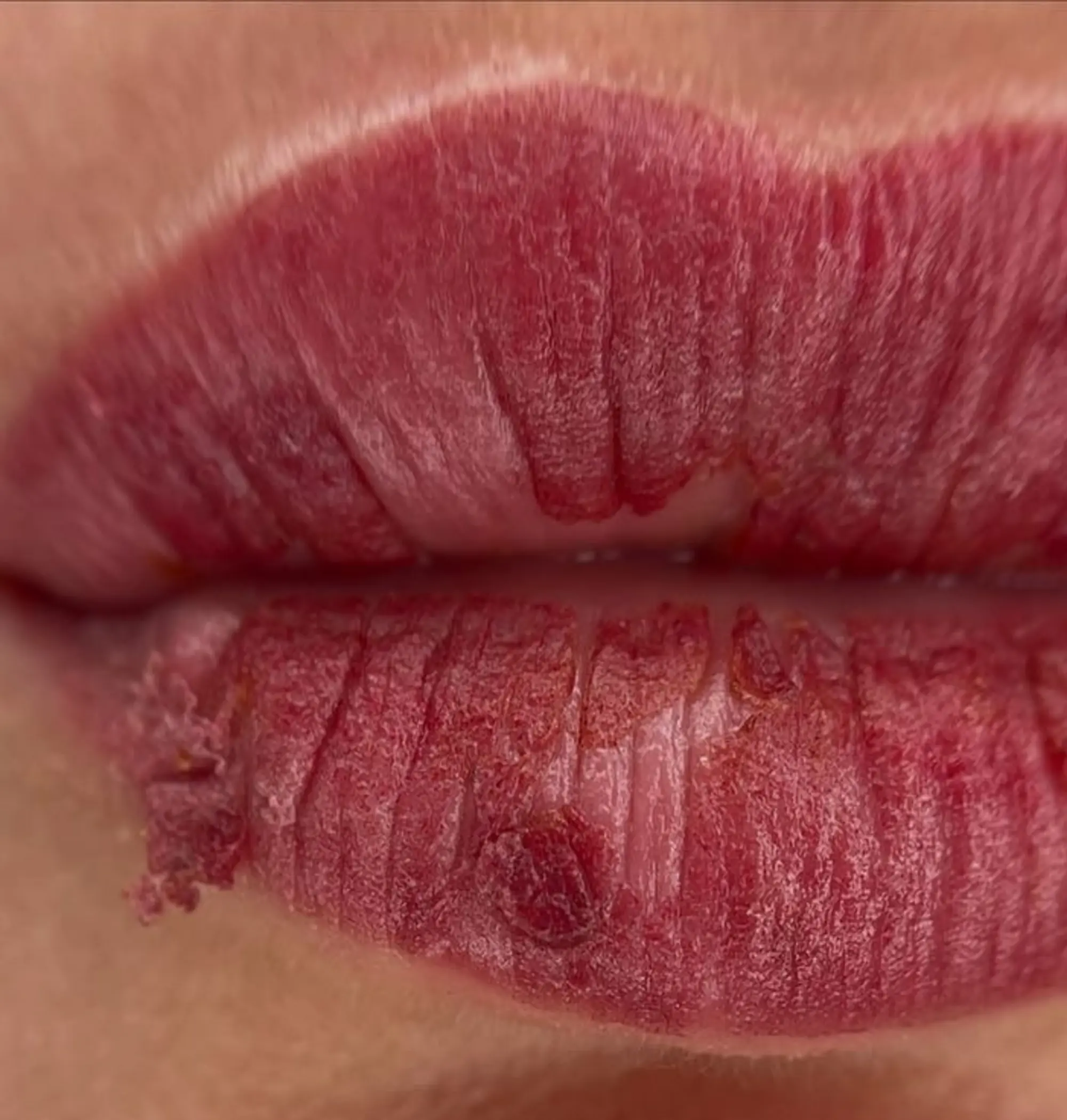
When I work on the Vermilion border, I usually use controlled passes to build up definition and mix my pigment to match the client’s skin tone, undertones and natural lip depth. When it comes to a wet line lip tattoo, I take a pretty conservative approach. If a client wants a lot of colour packed into the inner mucosa, I first chat with them about what’s realistic.
When we fixed a client who’d had a lip blush done elsewhere, it had come out way too saturated, the border was way too dark, and the inner lip had almost completely disappeared. The result looked all wrong. So we softened the edge, balanced out the tone and made sure not to push the pigment too far into the mucosa again. That gave us a much more believable healed result.
The problem is, there’s not a lot of published research on lip-specific retention rates, and even a quick check on PubMed doesn’t give you a single percentage that applies to every single lip case. What that means is when an artist starts quoting some fixed retention rate, they’re probably overselling – because it all depends on the client’s tissue, the technique used, the aftercare they follow and their health history.
Timing, Cost And Suitability
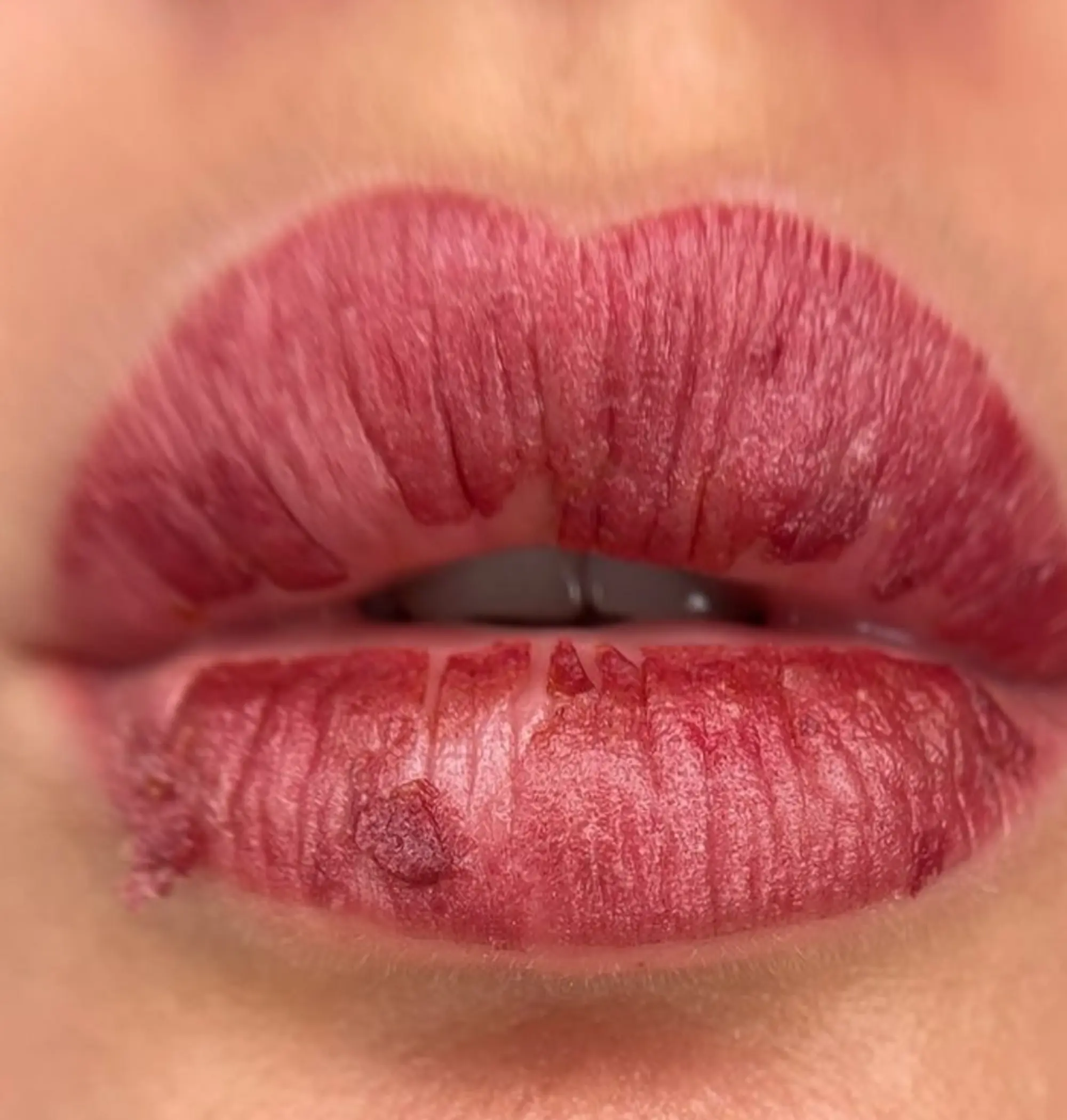
A lip blush appointment is a bit of a marathon – usually around 2.5 to 3.5 hours, including consultation, mapping and numbing. Most clients need to come back for a second session, about 6 to 10 weeks after the first one – and if they only have time for one, they can’t expect to get a super dense, gorgeous lipstick colour.
Prices in Melbourne can vary a bit, but right now you’re looking at around AUD 500 to AUD 900 for the first lip blush session, with touch-ups often billed separately. And if you need a correction, it can be much more expensive because it takes longer and carries more risk. I have to be honest with clients – if they’ve got an active cold sore, broken skin, uncontrolled diabetes, recent fillers that haven’t been timed properly, or they think the wet mucosa is going to look just like the border in the first place – then this treatment is not likely to be a good fit.
Healing Needs Realistic Expectations
To be honest, lips can be a bit of a drama queen when it comes to healing. They can look super vibrant straight after treatment, then suddenly look really light once the surface pigment starts to shed. And that can be a bit of a shock for clients who aren’t used to it.
The first few days are usually the most intense – you’ve got the bright new pigment, and everyone’s in a good mood. But then the dryness and tightness set in, and before long you’re looking at a softer, more subtle healed result. Don’t judge your result on day 2 or day 5 – it’s all about being patient and letting things settle down.
Simple Prep And Aftercare
To get the best out of your lip tattoo aftercare, just make sure you keep the area clean, dry (not too dry, mind you), and follow your artist’s instructions for protection. Try to avoid friction, hot foods, kissing, swimming, saunas, and picking at the flaky skin. If you’re prone to cold sores, have a word with your doctor about whether an antiviral treatment might be a good idea before you book in.
For 5 to 7 days beforehand – just make sure your lips are hydrated, avoid getting sunburnt, stop exfoliating in that area, and make sure your artist knows about any meds you’re taking or sensitivities you’ve got.
For 7 to 14 days after, just follow your aftercare instructions, don’t soak the area, try not to lick it (I know, it’s hard!), and let the flaky skin come off naturally.
When To Check In
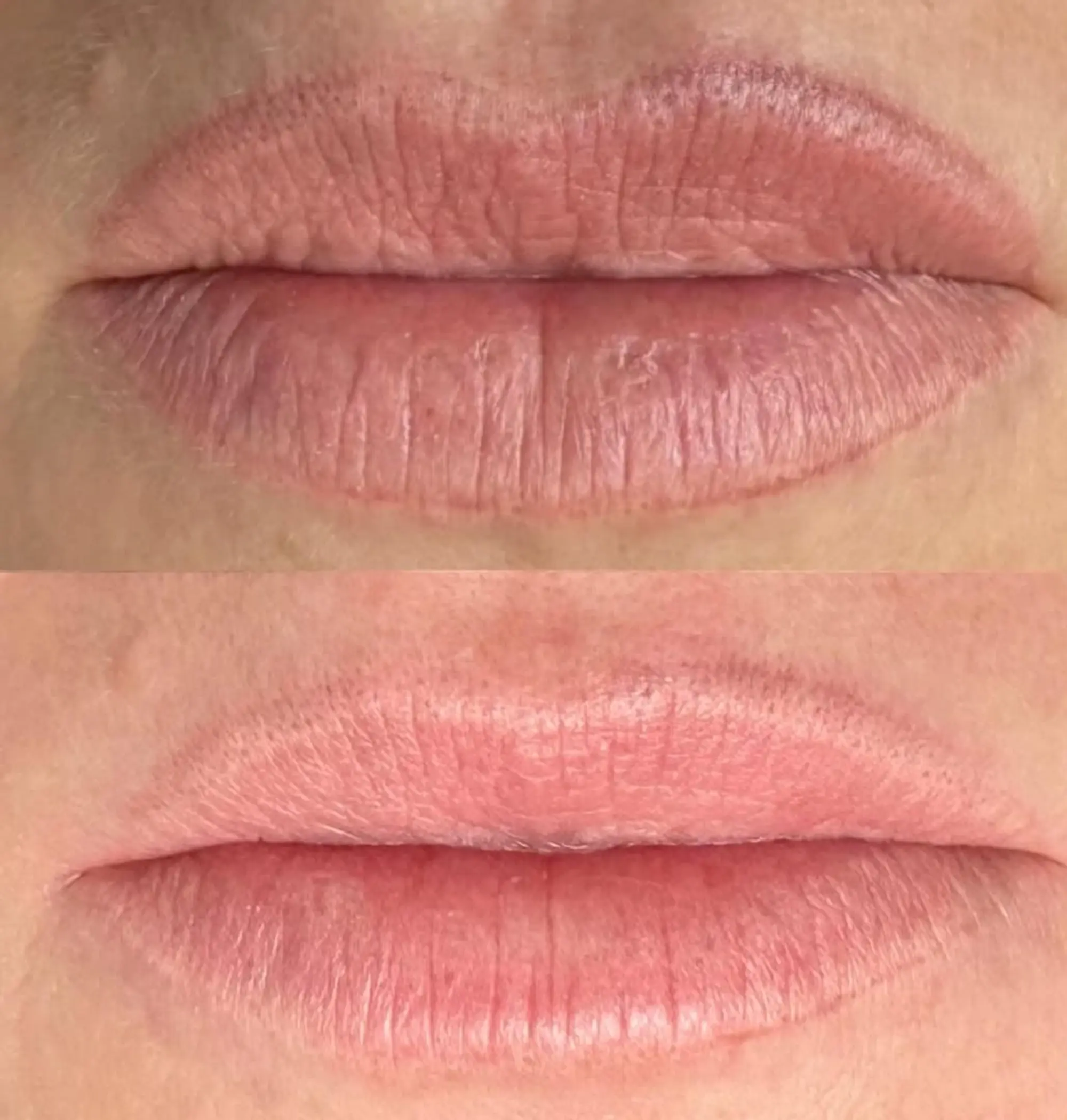
If after the first 48 hours you notice your swelling is getting worse, you see any unusual discharge, or the pain isn’t easing off, it’s time to get in touch with your artist. And don’t even think about assessing whether you need a touch-up until your lips have fully healed and stopped flaking.
At Face Figurati, I’ve got a pretty simple philosophy – I’d rather overpromise nothing and give you a result that actually suits your face than try to chase the latest trend and ignore the fact that anatomy matters. That’s part of working safely with high-quality materials, maintaining good hygiene practices, and doing proper treatment planning.
My Final Advice
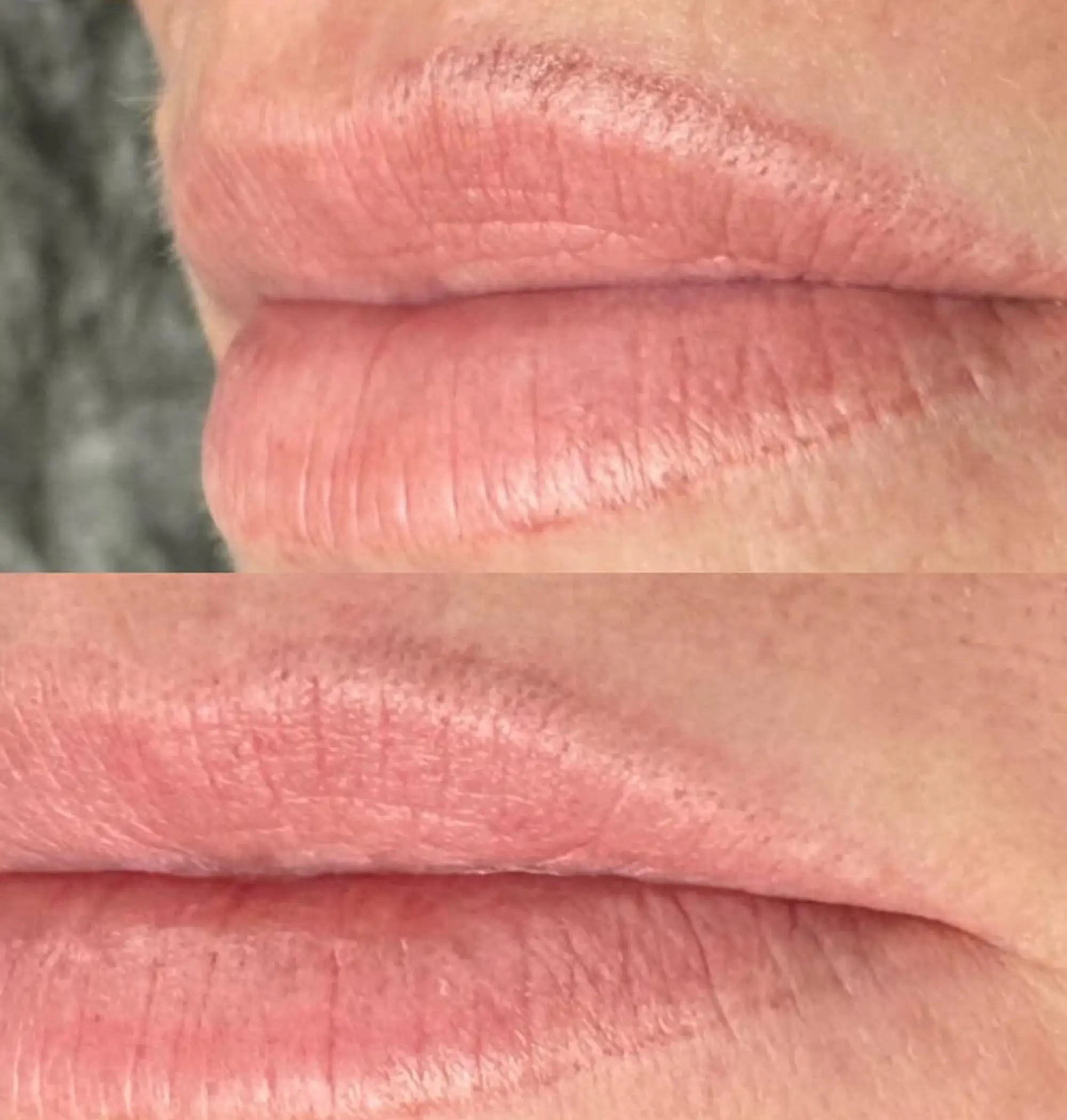
If there’s one thing you take away from this article, let it be this: the inside of your lip and the border are two very different beasts when it comes to holding pigment. That’s because they are two different types of tissue, with different healing conditions. And no, that is not a sign that your artist messed up.
Olha Po has a piece of advice: go and find yourself an experienced cosmetic tattoo artist who will be upfront with you about the limits of what they can do on the oral mucosa, give you a realistic timeline for when you can expect to see results, and not promise the world in one go. Still not 100% sure if lip blush is right for you? Contact Face Figurati – I’m more than happy to have a chat with you about it.
To be honest, lip tattoo results are just as much about knowing the right anatomy as they are about art. The Vermilion border tends to hold colour better, while the inner mucosa fades faster because it’s a bit softer and gets more wear and tear. Knowing that helps you pick the right artist and heal with some realistic expectations.
FAQ
What’s the Wet Mucosa Of The Lip?
The inner lip lining inside the wet-dry line – basically the bit that’s always damp. It’s part of your oral mucosa.
What’s The Bit Of Colour Change Around The Border Of The Lips?
That bit is the Vermilion border – it’s where your facial skin meets the red lip.
Why Does Inner Lip Tattoo Fade Faster?
Well, the tissue is a bit more stretchy, less protected, and more prone to getting knocked about, so no surprise that it fades faster
How Do I Get Some Collagen Back In My Lips?
Sorry to say, but a cosmetic tattoo can’t rebuild collagen. If you’re interested in getting some collagen back in your lips, you should talk to a qualified medical practitioner about your options.
What Deficiency Causes Hyperpigmentation On Lips?
Well, there are several medical things that can cause it, including some nutrient deficiencies. But honestly, the only way to get to the bottom of it is to get a proper diagnosis from a GP.