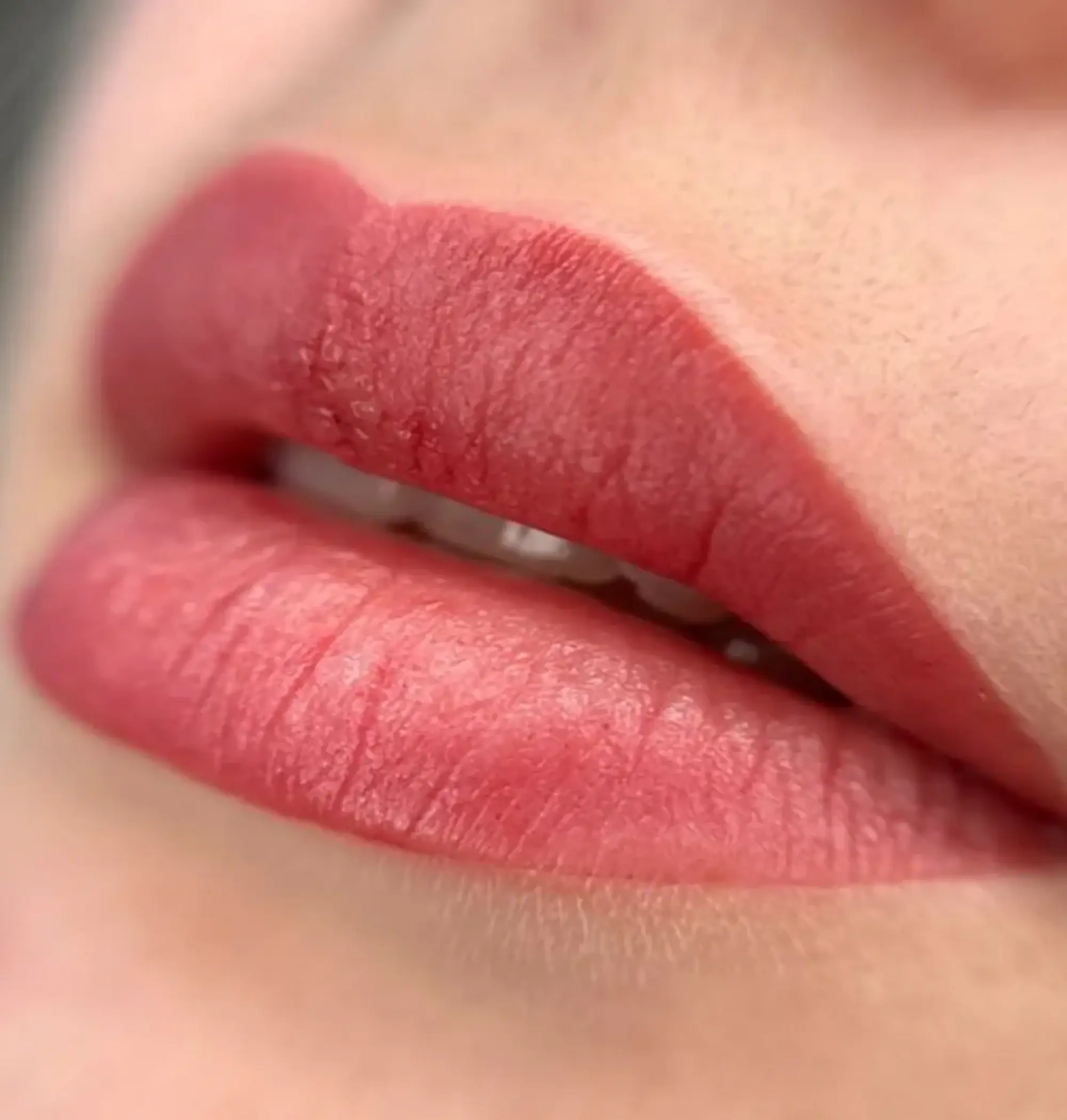
Will lip blush oxidise? Loads of times, people ask me about it in consultations – and often what they’re really seeing is a bit of a misunderstanding. Sure, oxidation can happen with lip blush – but more often than not, what people are describing as oxidation is just a combination of their natural lip undertone, the choice of pigment, how quickly the area heals, and how the technician did the application.
I’m Olha Po, founder of Cosmetic Tattoo Studio Melbourne Face Figurati, and this is literally the most common question I get asked in consults. Now the good news is that a purple result is far from random – and in most cases it’s not like your body has rejected the pigment. Nine times out of ten, we can work out the risk, make a plan to lower it and correct it if needed, no dramas.
Your Lip Colour Is Not Random
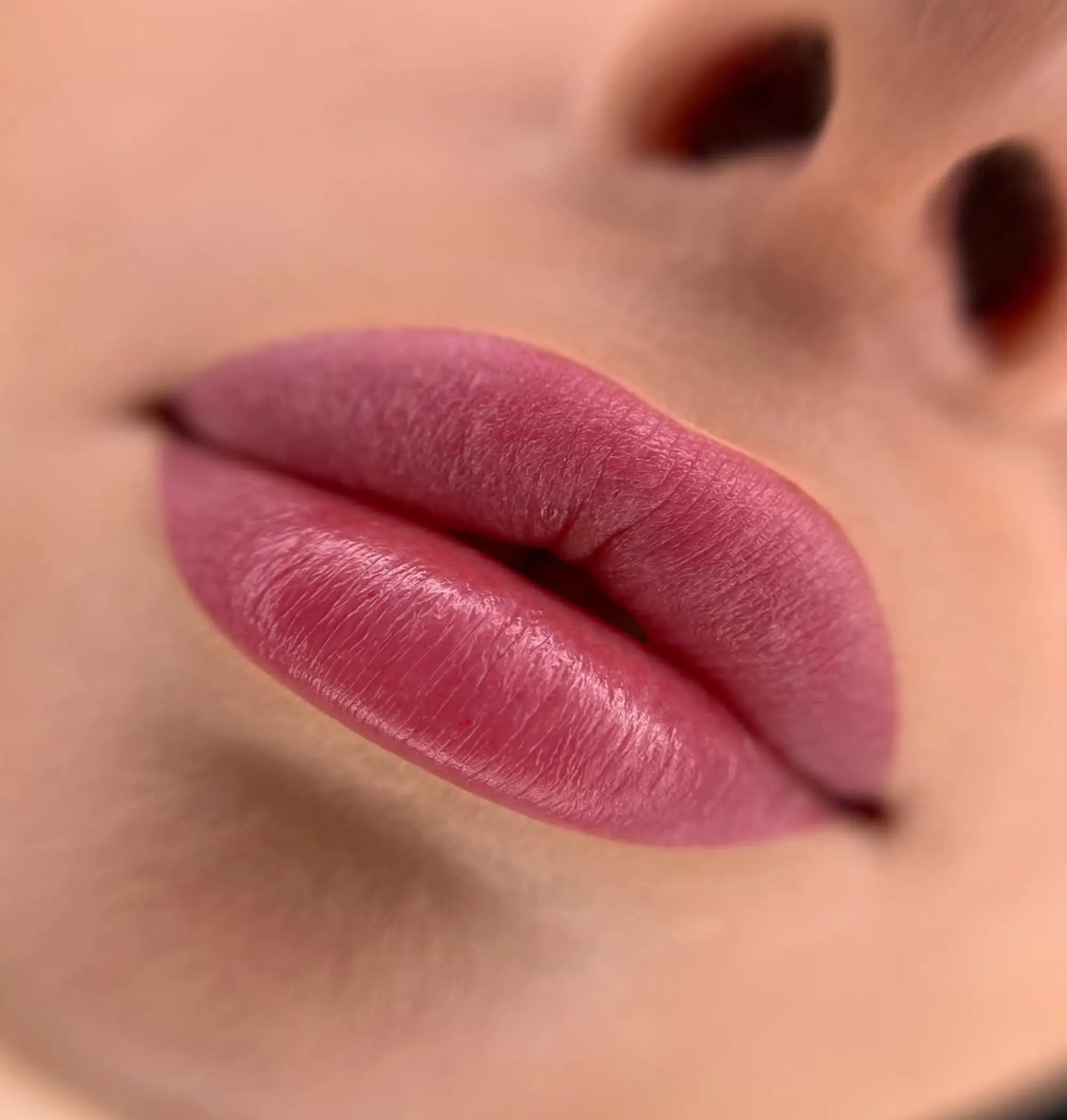
If you’ve been browsing RealSelf or Reddit, or scrolling through before-and-afters on salon websites, and wondering why one person gets a soft, rosy tint while another ends up with a lip blush that’s gone purple, you’re asking the right question. Your natural lip tone is just as important as the pigment in the tube.
At Face Figurati, I start by working out what we’ve got to work with: your natural vermilion border, the level of melanin, the blood flow to the area and whether the lips tend to pull cool or warm. That tells me whether we can just go ahead with the standard lip-blushing process for a cool undertone, or if we need to crack at darkening the area first.
Why Purple Happens
Who Is Higher Risk
Undertones Drive The Outcome
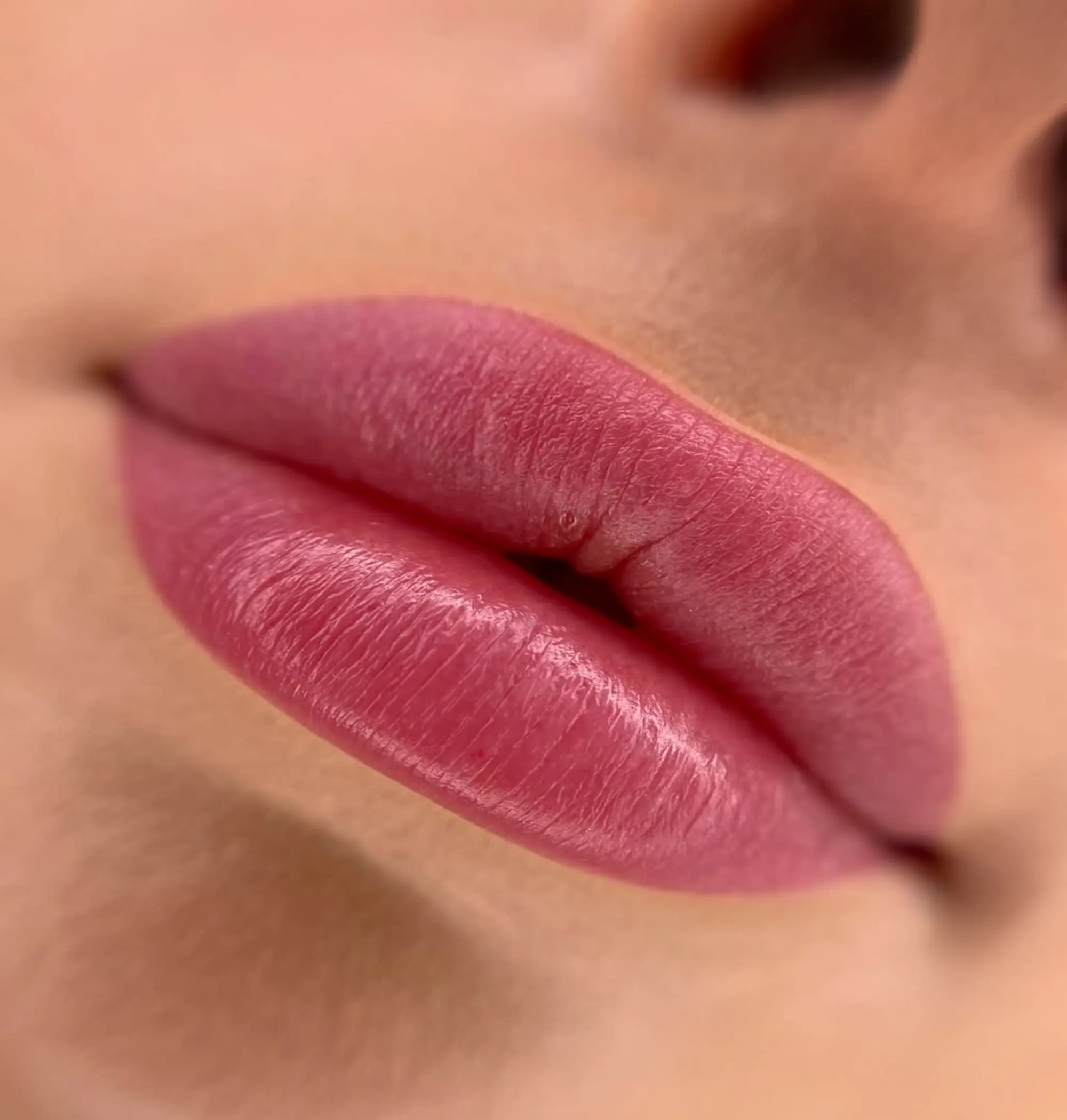
You see it all the time: people pick the colour they want to see, not the colour they need to get there. When it comes to cosmetic tattoo pigment, it’s got to mix visually with your natural lip colour. I mean, lipstick pickin’ rules just don’t apply here.
In the studio, I often break it down like this: think of your lip as a coloured wall, and you’re painting over it with a new colour. Understanding how lipstick tattoo and lip blush pigments interact is key. If that wall is a cool mauve, and you paint it with another cool pink, you’re going to end up with a wall that still looks cool – basic, right? Choosing a lip blush shade isn’t some Pinterest-style decision.How Pigments Interact
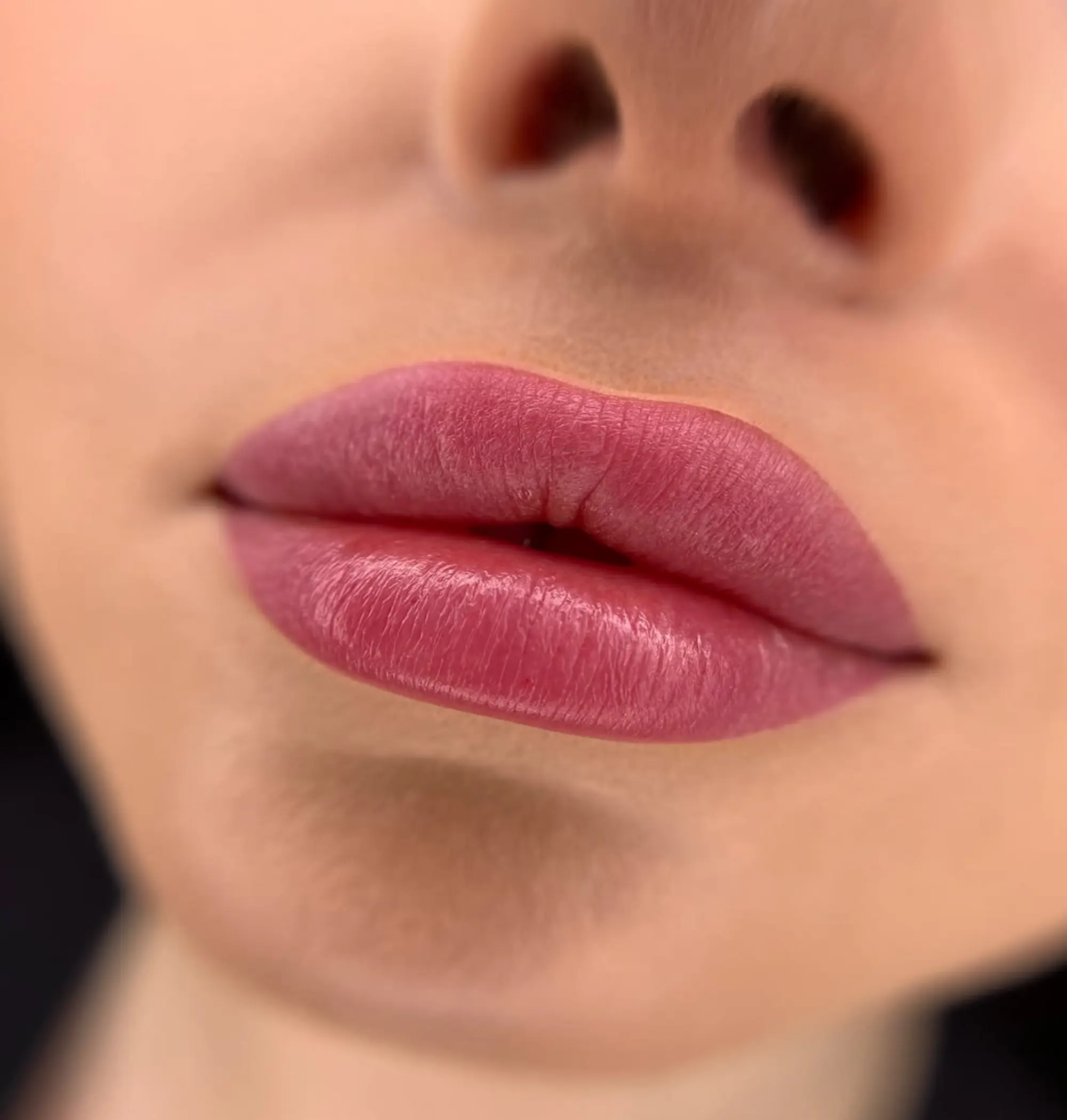
Warm pigments can actually help soften out blue, violet and brown-grey notes in the lips. On the flip side, cool pigments will make those tones look even stronger. Now, some formulations that contain titanium dioxide might look heaps brighter to start with, but if used the wrong way, they can turn up looking chalky, flat, or even ashy on darker or uneven lips – especially if the artist tries to hammer in some opacity instead of building up the colour gradually over time.
One Session Vs Reality
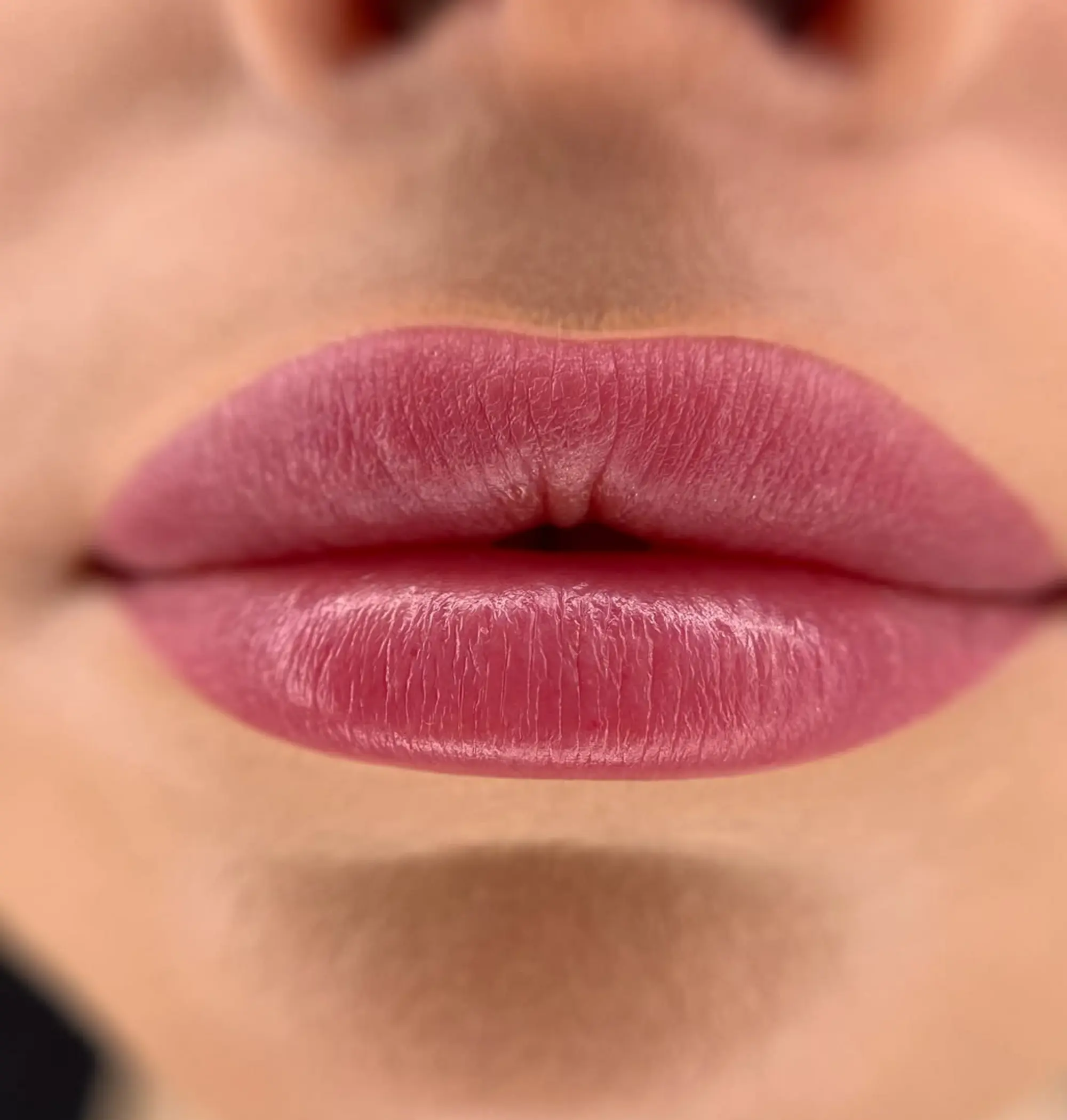
If you only have one session, you really need to focus on getting the colour balance right rather than going for bold. And let me tell you, I have this same conversation with clients every week in Melbourne: one appointment can make a big difference in tone and shape, but if you’ve got dark lips, strong cool undertones, or old pigment, you might be looking at needing 2 to 4 appointments, including a neutralisation session and some later refinement. Anyone promising to get you that dramatic bright lipstick colour in just one go on melanin-rich lips is selling you a pipe dream.
Prevention Starts With Planning
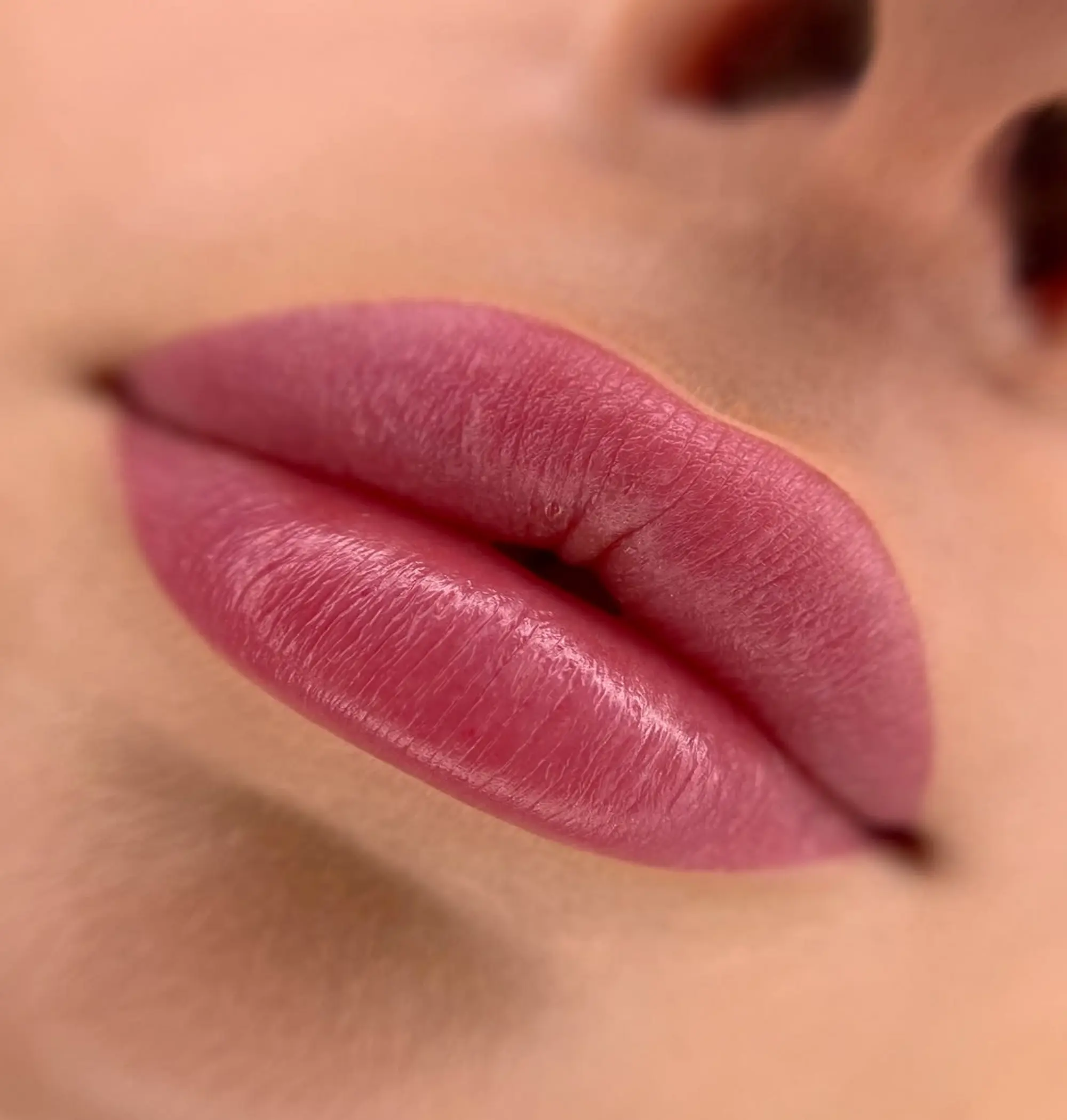
It’s about assessment, pigment knowledge and restraint. A good artist should be able to walk you through why they’re choosing a particular formula – not just point to some peachy shade and say “just trust me, babe”.
At Cosmetic Tattoo Studio Melbourne Face Figurati, we take a range of factors into account: your natural skin tone, how your skin has healed in the past, any medications you’re on, how much sun you get, and whether you’re prone to cold sores or inflammation. And let me tell you, those details can make all the difference in the plan and the final colour you end up with.
The Very First Thing We Check
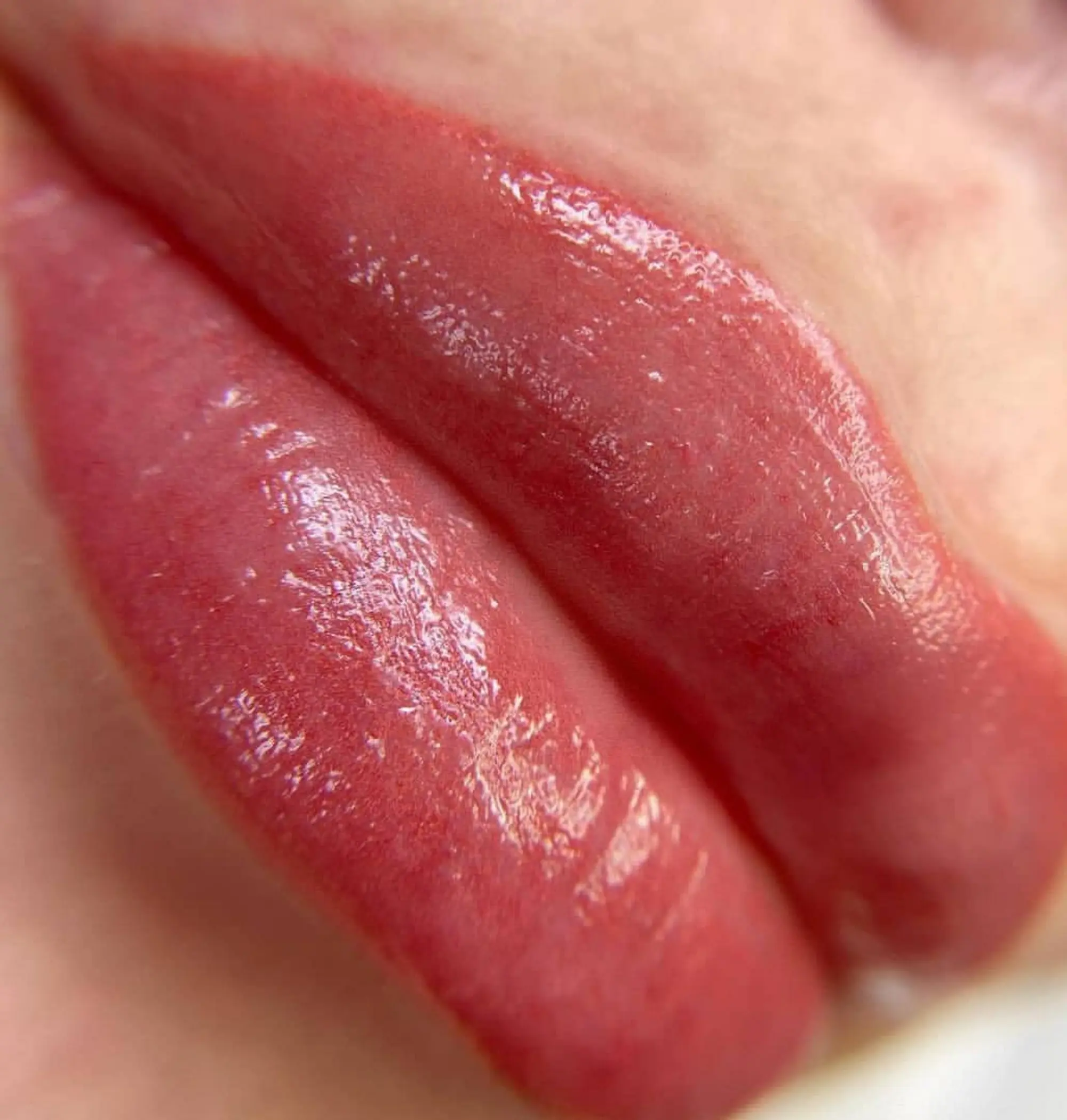
- Your natural lip colour, including any blue, violet, grey-brown or patchy areas
- Where you sit on the Fitzpatrick scale, and whether you’ve got any skin sensitivities, scar tissue or prior tattoo history to consider
- Whether you need to get your lips neutralised before we even think about adding a target blush shade
- The lifestyle factors that might come into play – things like sun exposure, wind, dehydration, gym sweating and smoking
- Whether we should delay treatment because you’ve got active cold sores, you’re pregnant, or your skin is just not in the best condition
Technique Matters More Than Trends
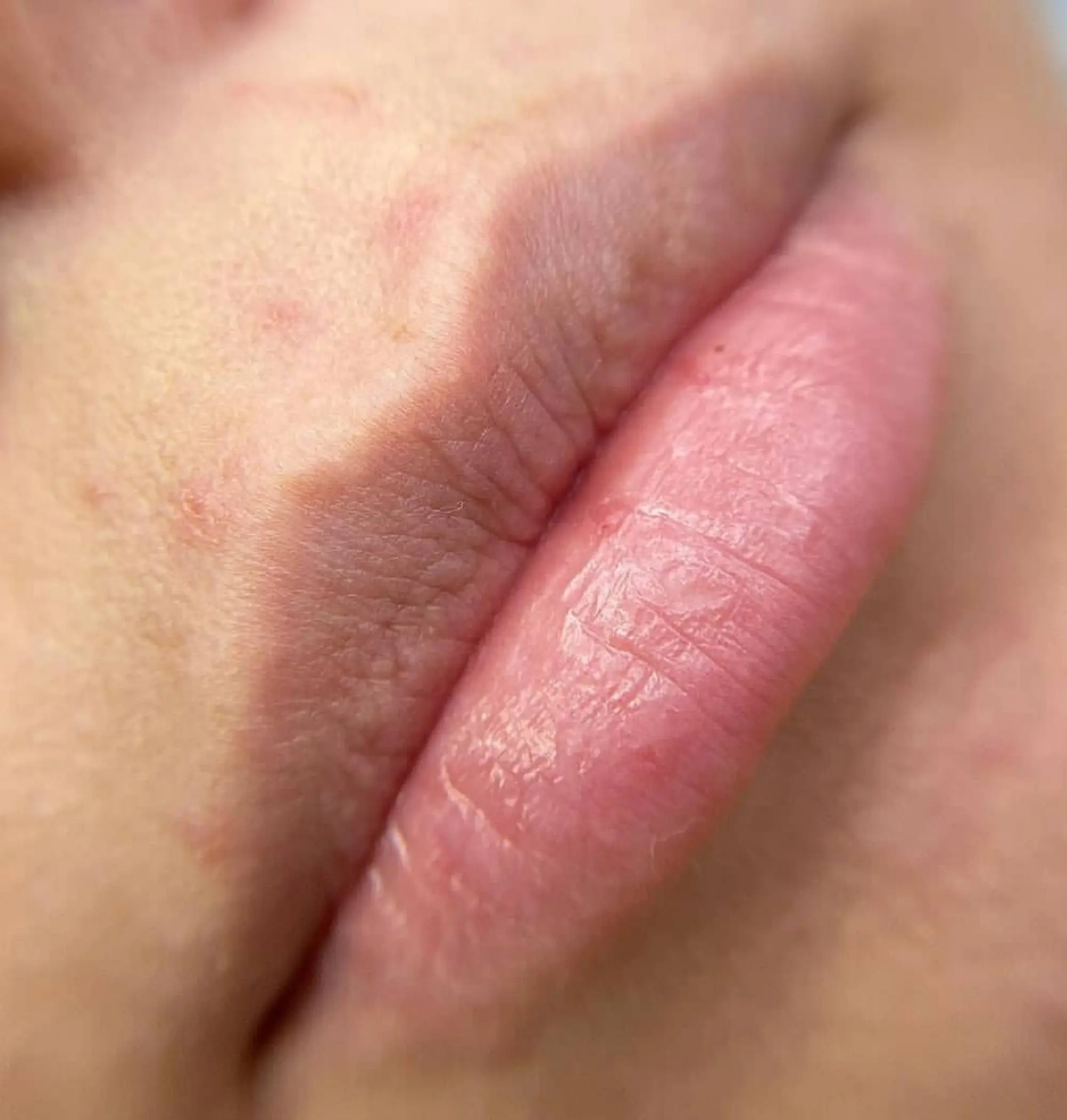
You see, implantation depth is everything – too shallow, and the colour just won’t last. Too deep, and it can end up looking muddy; the colour can migrate, or it can even come out cooler than intended. I’ve even had to redo work from some artist who didn’t know what they were doing – they’d pack a cool shade into already cool lips during winter, when the skin is already dry and angry from Melbourne wind. Not exactly ideal.
Healing Can Look A Bit Odd
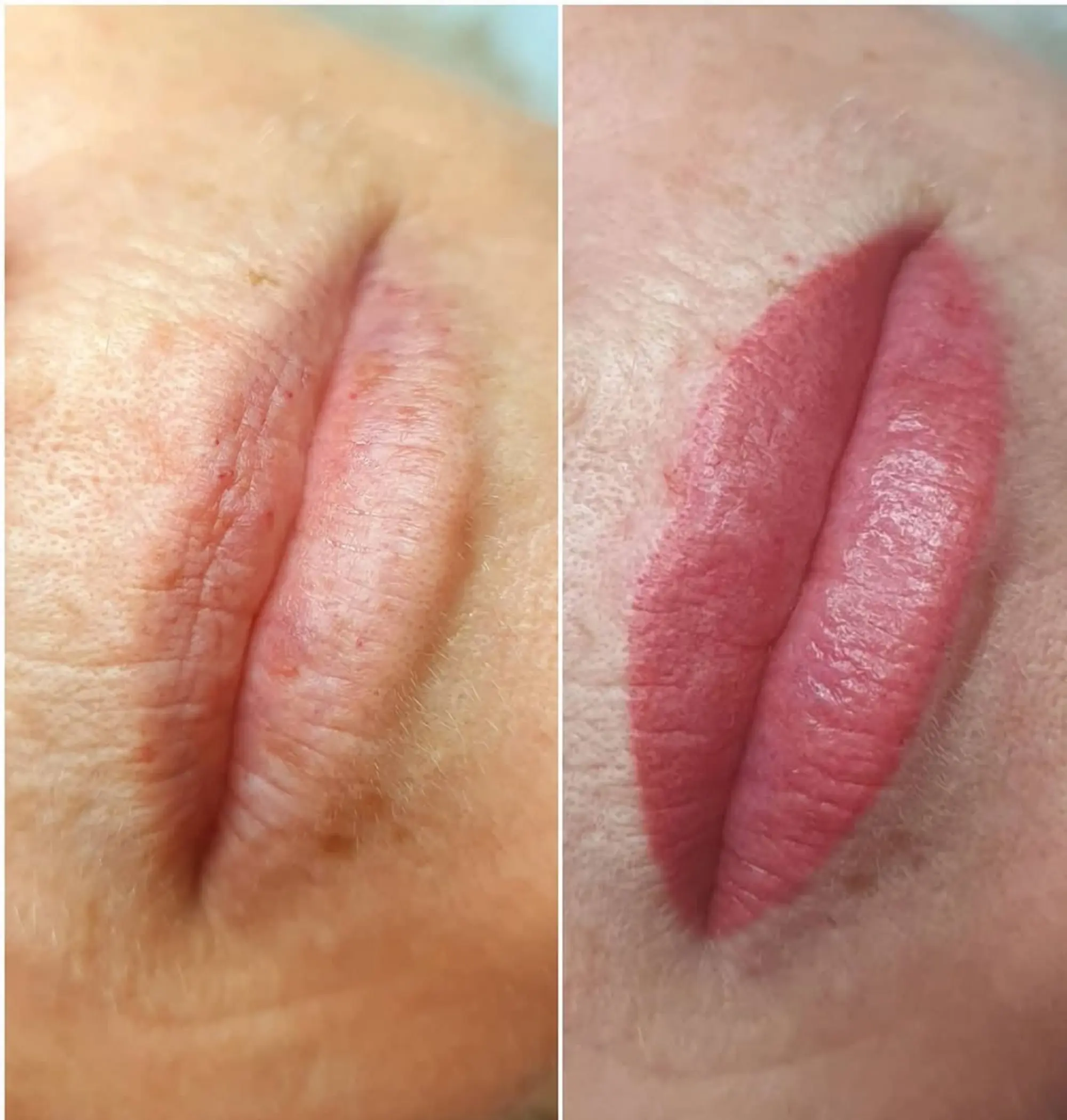
Melbourne weather also has a hand in it. The dry air, heaters, the sun, wind – all of that can make your lips look a bit patchier or darker during the healing stages, and even make them flake a bit.
Typical Healing Timeline
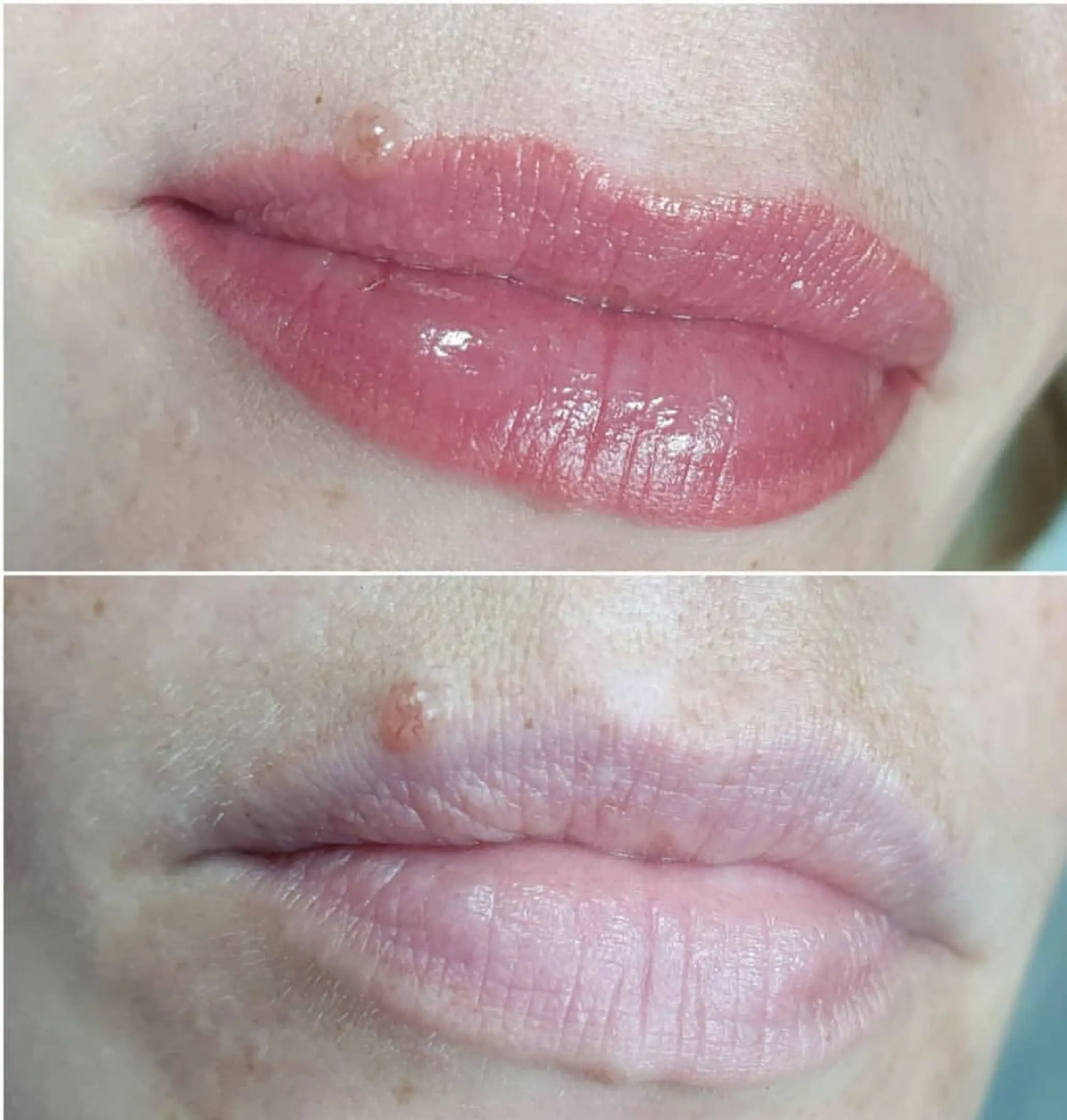
| Stage | What You May See | What It Usually Means |
| Days 1-3 | Brighter, stronger, sometimes warmer | Fresh pigment and mild swelling |
| Days 4-7 | Dryness, flaking, uneven patches | Normal surface shedding |
| Days 8-21 | Colour looks lighter or slightly cool | Skin is rebuilding over pigment |
| Weeks 4-8 | Tone settles and softens | The true healed result becomes clearer |
Aftercare That Affects Colour
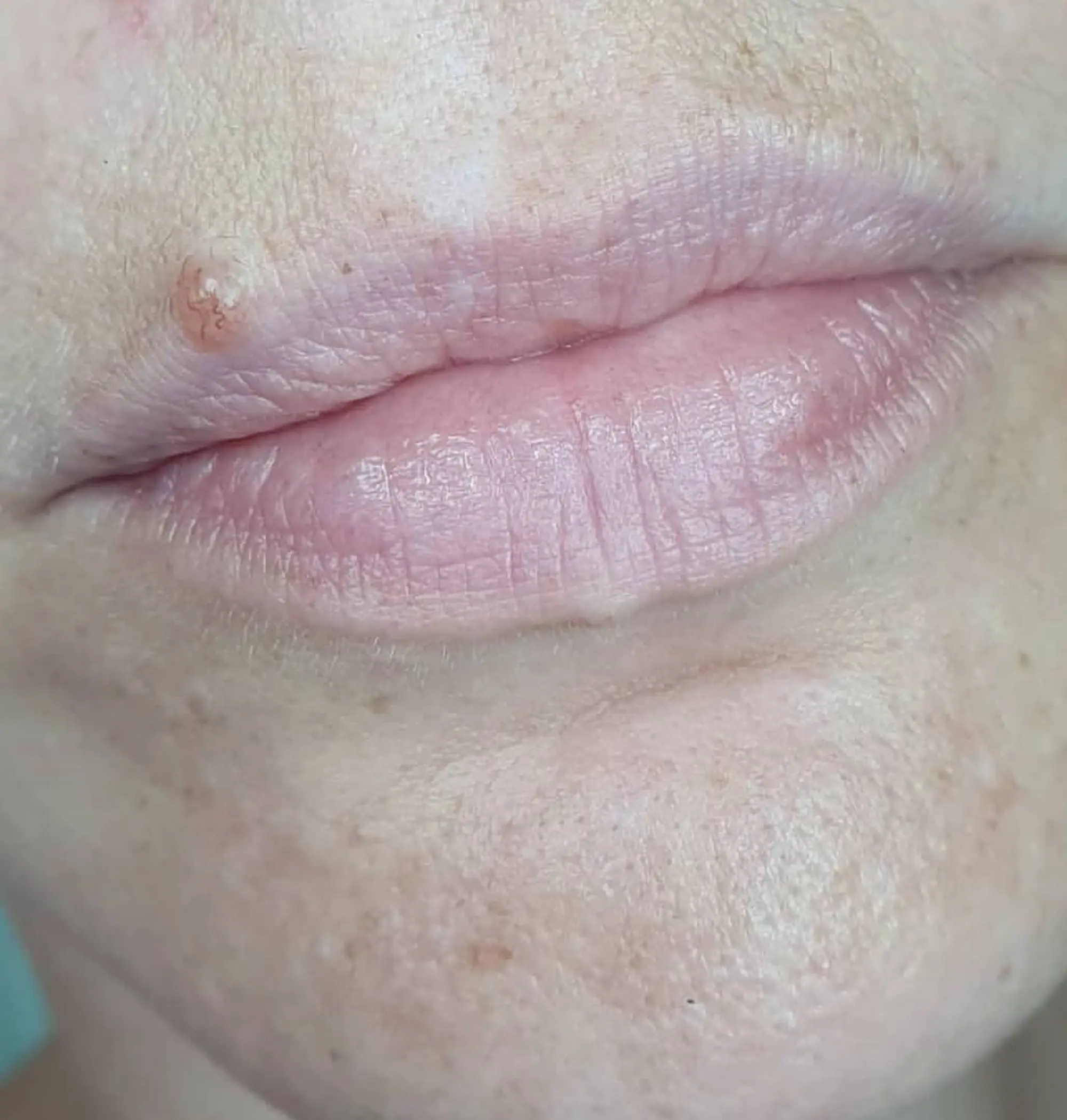
Just keep your lips clean, use the recommended aftercare product, and keep them out of the sun. Don’t pick at them, and try to avoid spicy food in the first days if you’re sensitive. Also, give hot showers and swimming a miss for a bit if you can, and try not to do too much exercise just after the treatment. The thing is, poor aftercare might not cause a purple healing patch, but it can definitely irritate things, cause patchiness and other issues.
Correction Is Usually Possible
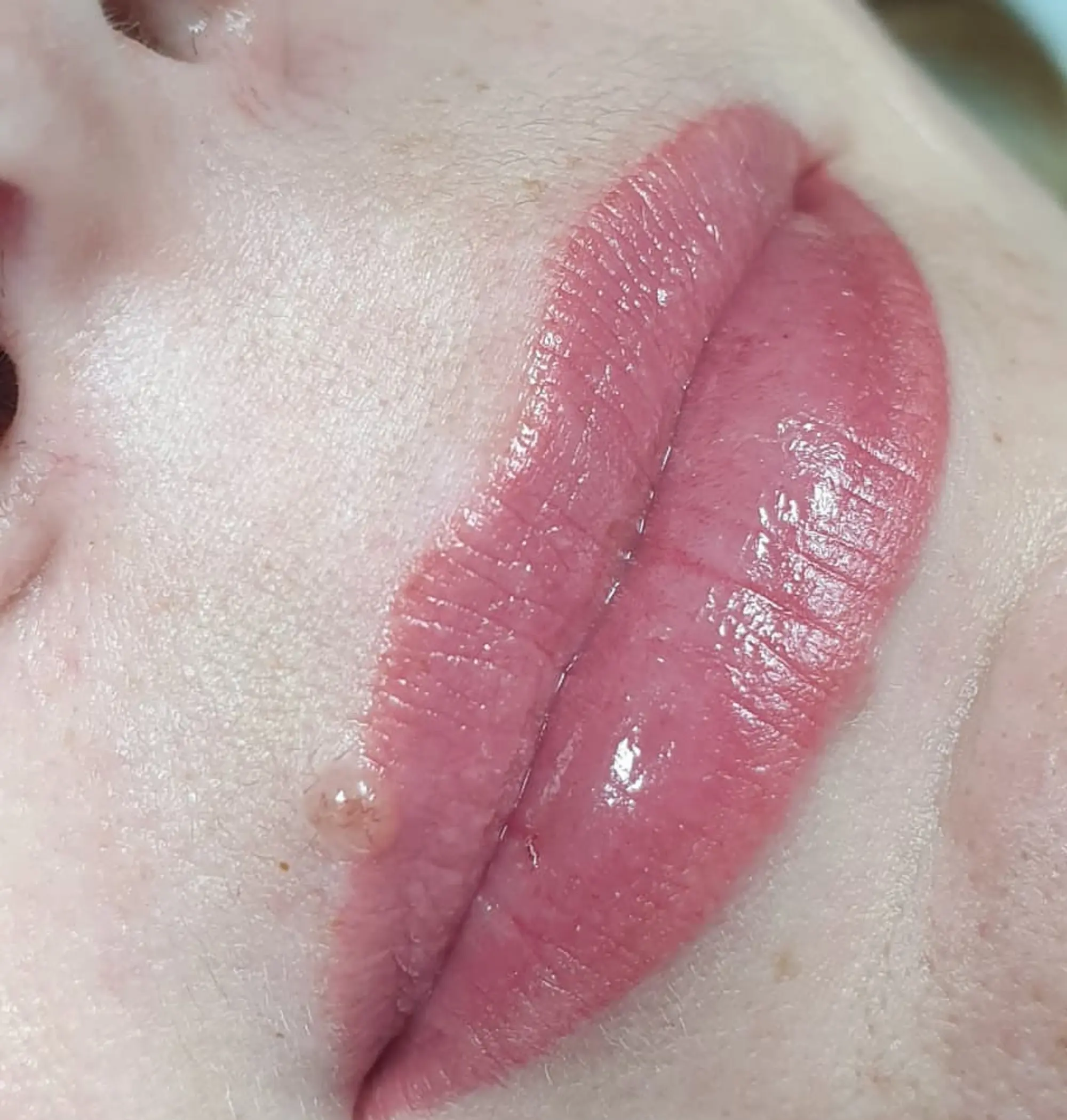
Don’t panic if your healed result ends up looking too cool – don’t just go in and try to fix it by making it all pink again. It really depends – is the issue with the undertone, the saturation, the depth, old scar tissue or just the original pigment? That’s where all that experience comes in handy.
I’ve seen clients who’ve had treatments elsewhere – even from places out of state – come in and wonder why their results aren’t turning out right. And it’s not just about the brand – often it’s about getting the right undertone match for the natural state of the lips.
A proper fix plan is way calmer and usually cheaper than just doing lots of trial and error.
How We Fix A Cool Result
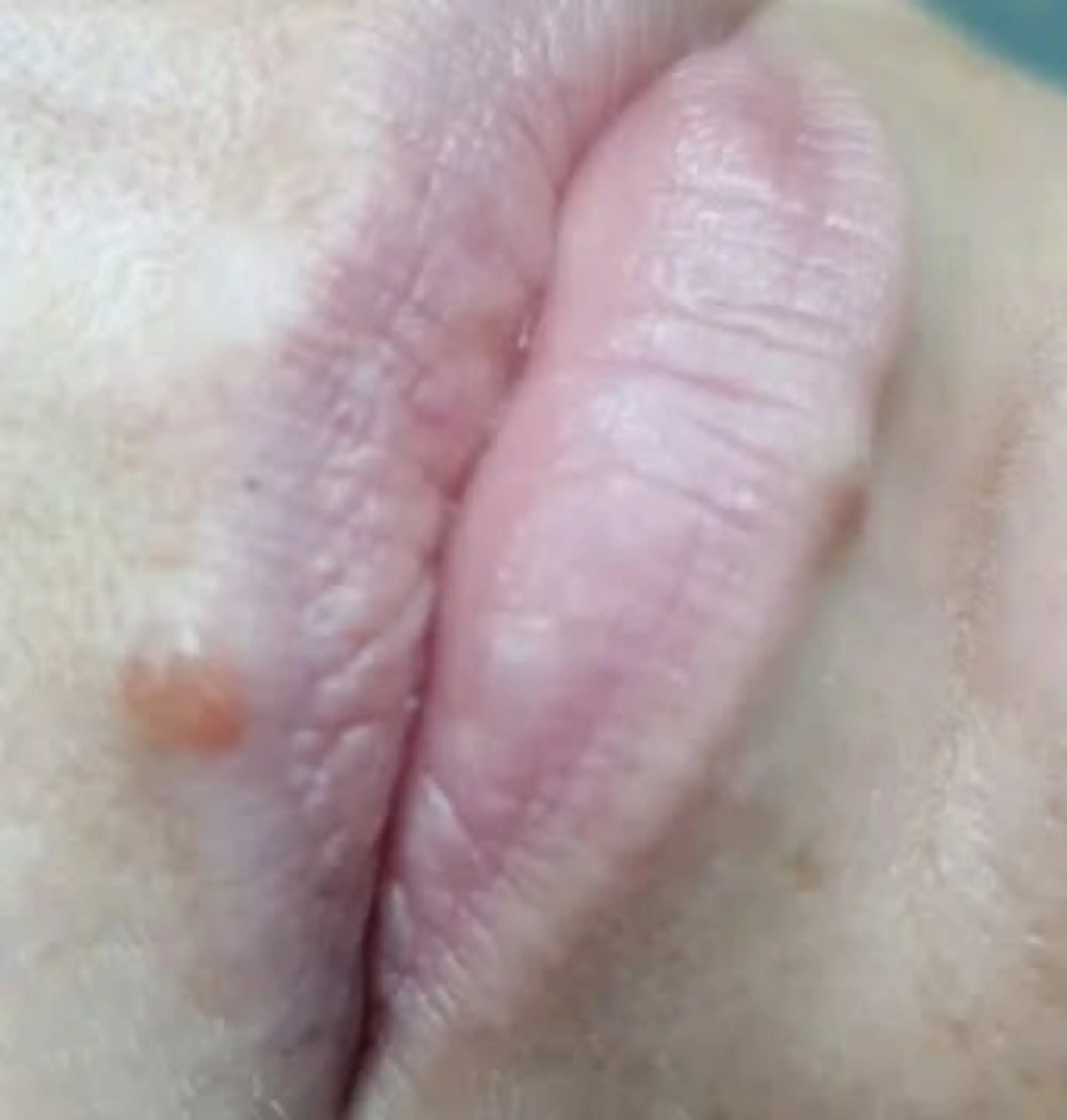
First off, we wait for the lips to heal up fully – usually around 6 to 8 weeks. Then we reassess whether we need to add some warm-up pigments, do some dark lip work to even things out, or just do a soft little touch-up to get everything balanced. Some cases might need a bit more time – and in some cases, we might even need to get a specialist in to sort things out before we can go ahead with any more tattooing.
Cost And Timing In Melbourne
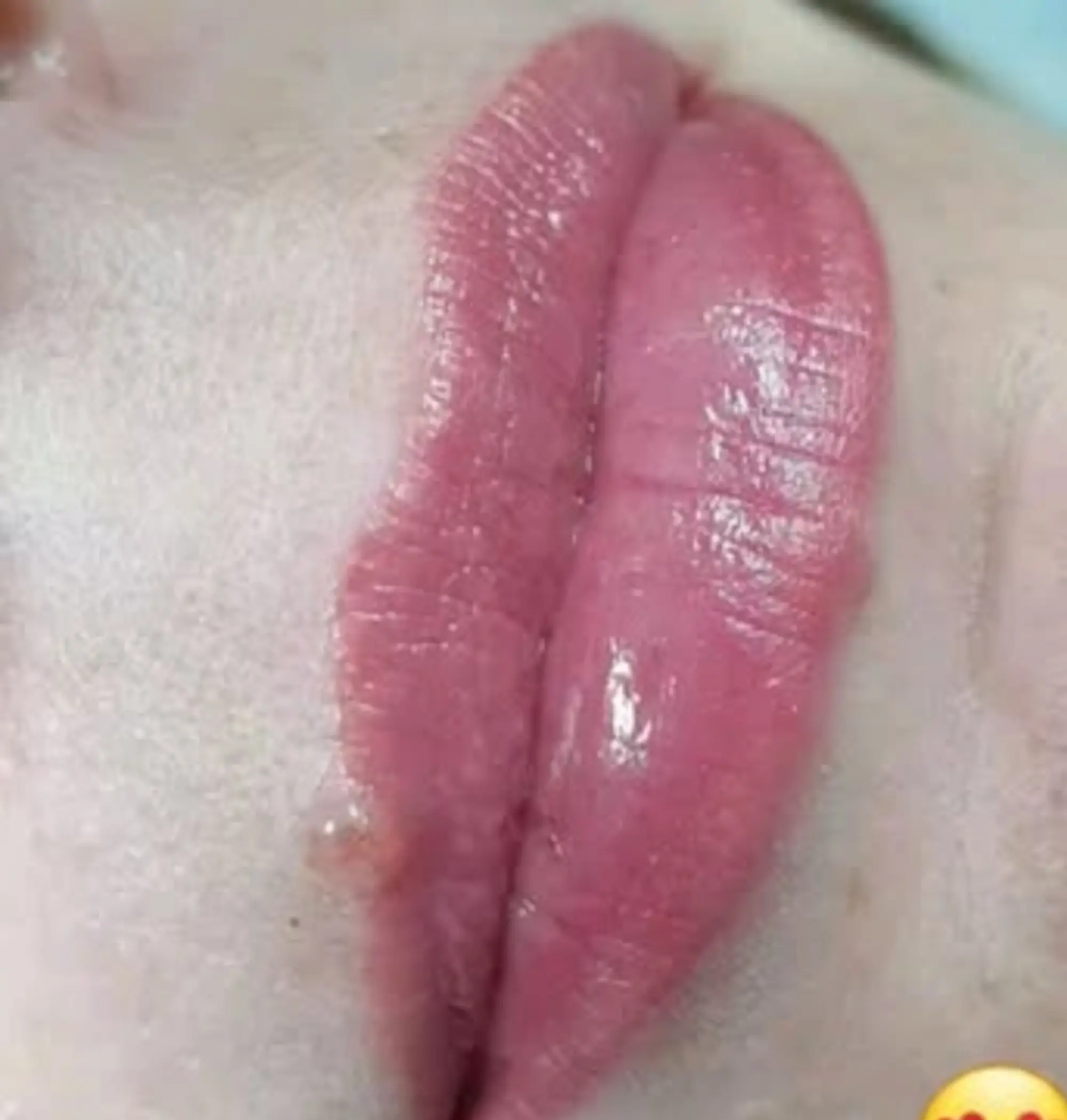
Now, prices for lip blushing in Melbourne vary a bit, but a standard lip blush service usually sits around the 500-900 AUD range, with corrections and neutralisation costing a bit more because they’re more complicated and time-consuming. Booking a session usually takes around 2.5 to 3.5 hours the first time, and then we schedule a follow-up after healing. And honestly, you’re probably safe to go back to work the next day, but it’s probably a good idea to steer clear of any big events for a while – because swelling and dryness are both pretty normal after a session.
Choose Experience Over Hype
The best pigments for dark lips aren’t some magic brand that’s all the rage. The real key to a great result comes from an artist who knows their stuff – colour theory, sterile hygiene, how to work around different skin tones, and when to say you just aren’t ready. That matters way more than all the fancy before-and-afters from Instagram accounts like Finishing Touches Group or Lash Boutique FL.
At Face Figurati, I’m far more interested in giving you a straight-up honest consult than trying to oversell some flaky plan. If your lips need a bit of a strategy, I’ll tell you that. If the shade you’re looking for is just plain unrealistic to get in one sitting, I’ll say that too. Get it right, or don’t even bother – your face is just too important for shortcuts.
Consult Checklist
- Turn up with bare lips – no lipstick, no gloss, nothing.
- Give me the lowdown on any previous lip tattooing, fillers, cold sores, and what meds you’re on.
- Ask whether you need a lip neutralisation treatment first
- Ask how your undertone is going to affect shade choice and how long the colour will last
- Confirm the aftercare plan, when we’ll need to come back for touch-ups, the safety standards we’re using, and the total cost in Aussie dollars.
Final Thoughts From Olha Po
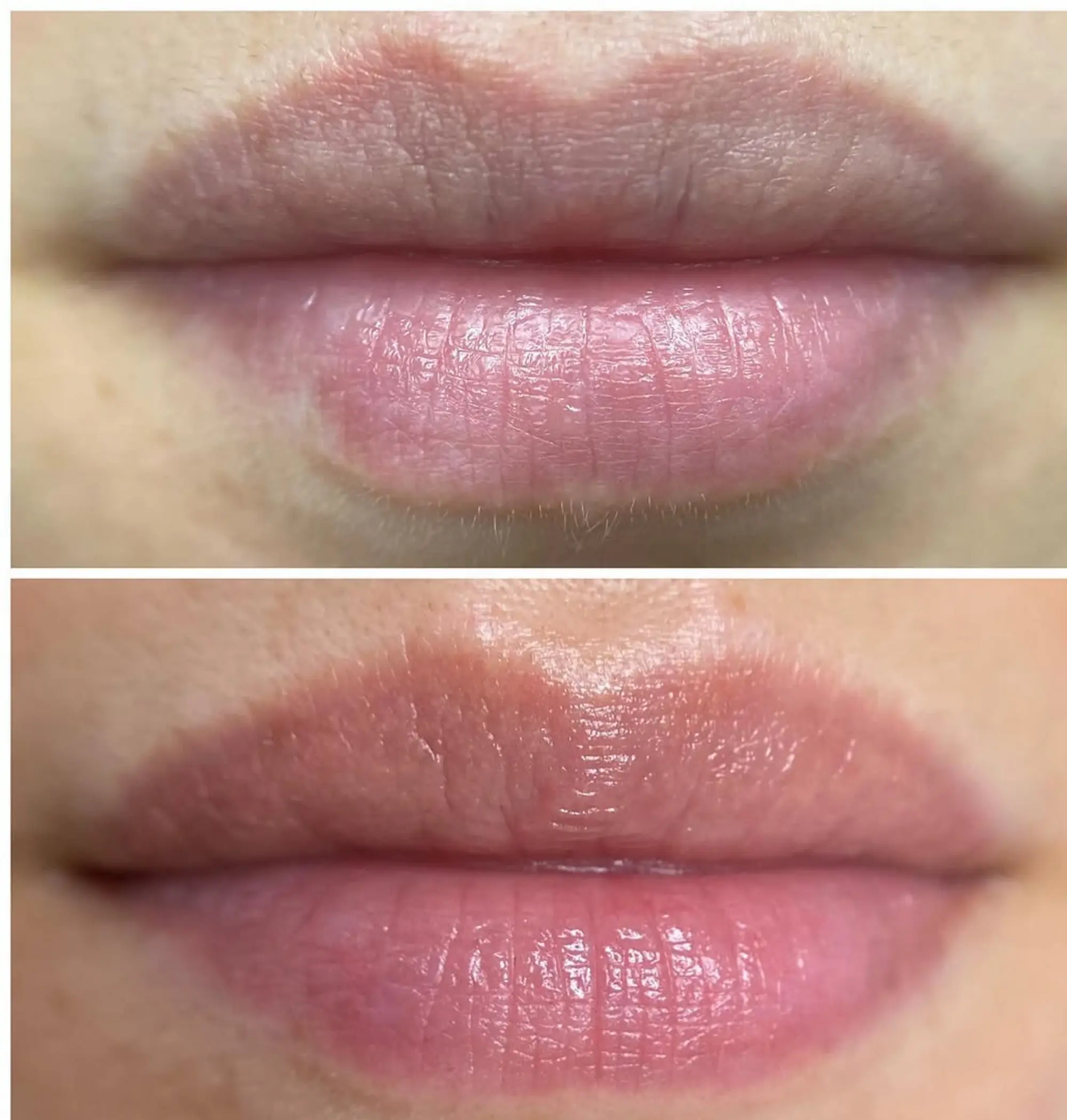
So, will lip blush change colour over time? Yes, it definitely can – but a purple result is usually fairly predictable and preventable, as long as your artist has a clue about undertones, their technique, and colour correction. If you have cool lips, dark melanin-rich lips, or old permanent makeup that healed looking like a mess, you’re not a bad candidate; you just need the right approach.
If you’re still unsure if your lips are right for a lip blush, neutralisation, or some correction, get in touch with Face Figurati. I’m happy to sit down with you and go over the details, no gimmicks, no trying to just “get by” with some dodgy pigment guesswork.
FAQ
Why Does My Lip Blush Look Purple?
More often than not, it’s because your natural lip undertone is cool, the pigment we use is too cool too, or we skipped neutralisation altogether.
Choosing a Colour For Your Lip Blush
Pick a colour based on what your natural lip looks like, not just what you think would look good. Your artist should first match and balance your undertones.
Does Lip Blush Get Lighter Before It Gets Darker?
It usually looks brighter at first, then becomes a bit patchy before settling into a softer tone.
Which Lip Colour Suits My Skin Tone?
Generally speaking, warm and balanced tones suit cool or uneven lips better. But really, the right choice is all about your undertone and your Fitzpatrick skin type.
Can You Fix a Purple Lip Blush?
Yeah, in many cases you can correct it. Correction might mean waiting it out, getting a neutralisation treatment, or staged colour correction.